Organizing Children's Toys and Games
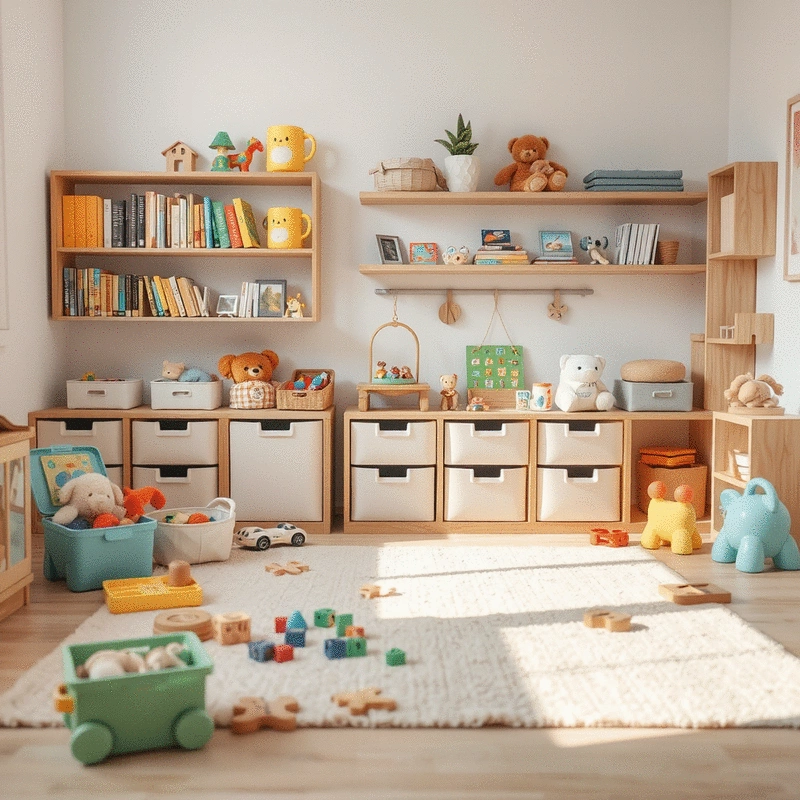
Statistics reveal that children with organized play spaces engage in 50% more imaginative play. An organized environment not only reduces clutter but also fosters creativity and responsibility among children. Ready to transform your child's play area? Let’s dive into effective strategies for organizing toys and games!
What You Will Learn
- The significance of toy organization in fostering creativity and a peaceful home environment.
- Effective methods for sorting and categorizing toys, enhancing children's ability to access their items easily.
- Steps to declutter toys, teaching children about responsibility and the value of sharing.
- Innovative storage solutions that maximize efficiency and encourage kids to participate in clean-up.
- The benefits of rotating toys to maintain fresh play experiences and reduce clutter.
- How to create dedicated play zones that facilitate smooth transitions between different types of activities.
Summary of Effective Toy Organization Techniques
Explore key strategies for maintaining a serene and organized play area through effective toy organization. If you're wondering whether to tackle decluttering yourself or seek professional help, consider exploring the benefits of DIY decluttering vs. expert help.
Sorting and Categorizing
- Dolls and Action Figures
- Vehicles and Tracks
- Arts and Crafts Supplies
- Outdoor Games and Sports Equipment
Decluttering
- Gather all toys in one area.
- Sort into three piles: keep, donate, recycle.
- Evaluate each toy: Does it spark joy?
Innovative Storage Solutions
- Opt for clear containers.
- Use labeled bins for easy identification.
- Consider stackable options to save space.
Implementing Toy Rotation
Rotating toys can keep children engaged and excited. Key benefits:
- Reduces clutter by limiting available toys.
- Keeps playtime fresh and encourages creativity.
- Helps children appreciate their toys more.
Effective Strategies for Organizing Children's Toys and Games
Understanding the Importance of Toy Organization
Maintaining an organized play area is not just about tidiness; it really promotes creativity and imagination in children. When toys are easy to access, kids can engage in more meaningful play without the frustration of searching for their favorite items. Plus, an organized space reduces clutter, which can lead to a more peaceful home environment.
Think about it: when children know where their toys belong, it fosters a sense of responsibility. They learn to take care of their belongings and understand the importance of keeping their spaces neat. It's amazing how a simple change like toy organization can enhance the overall playtime experience!
Sorting and Categorizing Toys for Easy Access
Group by Type: How to Sort Toys Effectively
Sorting toys into clear categories makes it so much easier for kids to find and put away their belongings. Here are some effective categories to consider:
- Dolls and Action Figures
- Vehicles and Tracks
- Arts and Crafts Supplies
- Outdoor Games and Sports Equipment
By grouping toys this way, children can quickly locate what they want to play with, making their playtime more enjoyable and less chaotic. As a home organization expert, I can tell you that this small step can create a big impact! For more tips on reducing clutter, check out decluttering your living space easily.
Utilizing Activity-Based Sorting for Better Management
Another fantastic way to organize toys is to sort them by activity. This approach aligns with how children naturally play and can be really effective! Here are some ideas on how to categorize toys based on activities:
- Craft Supplies (paints, crayons, paper)
- Board Games (puzzles, card games)
- Outdoor Play (bikes, balls, jump ropes)
This method not only keeps everything neat but also encourages children to engage in various activities. They can easily dive into arts and crafts or outdoor adventures without digging through a disorganized pile!
Decluttering Toys: The First Step to Organization
Steps to Decide What to Keep, Donate, or Repurpose
Decluttering is a crucial first step in organizing toys. To get started, follow these simple steps:
- Gather all toys in one central area.
- Sort them into three piles: keep, donate, and recycle.
- Evaluate each toy: Does it spark joy? Is it used regularly?
By asking these questions, you can make informed decisions that will reduce toy volume and create a more manageable play space. The goal is to keep what truly matters and let go of the rest!
Creating Educational Moments While Decluttering
Involving children in the decluttering process can be a great way to teach them responsibility. Here are some tips to make it a fun learning experience for them:
- Explain the importance of sharing toys with others.
- Encourage them to think about how many toys they really play with.
- Make it a game—set a timer and see how many toys they can sort in a few minutes!
By turning decluttering into an engaging activity, you’ll not only lighten the load in your home but also help instill valuable lessons about sharing and responsibility!
Innovative Storage Solutions for Maximum Efficiency
Best Practices for Using Toy Bins and Containers
Choosing the right storage solutions can make all the difference! Here are some best practices to keep in mind when selecting toy bins and containers:
- Opt for clear containers to easily see contents.
- Use labeled bins to indicate where toys belong.
- Consider stackable options to save space.
These practices not only maximize efficiency but also make it easier for kids to help with clean-up. At Simply Renewed Home, we believe in creating systems that work for the whole family! Learn more about keeping your home free of unnecessary items with effective ways to declutter your home.
DIY Storage Ideas: Creative Solutions for Every Home
If you're feeling crafty, here are some unique DIY storage ideas that can add a personal touch to your child’s play area:
- Use magnetic strips to hold toy guns and small metal cars.
- Repurpose grocery bag holders to organize train tracks and other long toys.
- Transform an old bookshelf into a toy display by painting it a fun color!
These projects not only keep toys organized but also allow kids to engage with their space creatively. It’s a win-win!
Exploring Montessori Toy Storage Concepts
The Montessori method emphasizes independence and engagement, making it a great approach for toy storage. Here’s how you can implement these principles:
- Store toys at child height to encourage self-selection.
- Use natural materials for storage to create a calming environment.
- Limit the number of toys available to foster deeper engagement.
By adopting these Montessori concepts, you promote an environment that supports children’s autonomy while keeping spaces organized. It’s a beautiful way to nurture growth and creativity!
Implementing Toy Rotation for Sustained Engagement
Understanding the Benefits of Toy Rotation
Did you know that rotating toys can keep children engaged and excited about their playtime? Here are some benefits of this method:
- Reduces clutter by limiting available toys.
- Keeps playtime fresh and encourages creativity.
- Helps children appreciate their toys more when they are reintroduced after a break.
Incorporating toy rotation can transform the play experience, making it feel new and exciting without adding more items to the mix!
How to Set Up a Toy Rotation Schedule
Setting up a toy rotation system doesn’t have to be complicated! Here’s how to do it:
- Choose a set number of toys to keep out (for example, 10).
- Store the rest in a designated area.
- Every few weeks, swap out the toys to keep things fresh!
This simple practice can not only reduce clutter but also ensure that children are consistently engaged and excited about their toys. It’s a gentle reminder that less can indeed be more!
Designing Play Zones: Creating Dedicated Spaces
Defining Areas for Different Types of Play
Creating specific zones in the playroom can significantly enhance the organization of toys and games. Here’s how to define these areas:
- A craft corner for arts and crafts supplies.
- A reading nook for books.
- A play area for cars, blocks, and other toys.
This method not only helps children find their toys easily but also allows them to transition between activities seamlessly. It’s almost like having their own mini-world within your home!
Maximizing Space: Planning Layouts for Optimal Functionality
Evaluating the layout of the playroom is key to maximizing space. Here’s how to plan for optimal functionality:
- Consider the size of furniture and how it fits in the room.
- Leave open space for play—children need room to move!
- Arrange toys and storage in a way that promotes easy access.
By customizing the layout to meet your family’s needs, you create a welcoming space that encourages play and creativity! For additional strategies on maintaining an organized home, explore tips for a clutter-free home.
Pro Tip
To make toy organization even more effective, consider involving your children in the process! Encourage them to participate in sorting and categorizing their toys. This not only makes the task more fun but also helps them develop a sense of ownership and responsibility for their belongings. Plus, they might surprise you with their ideas on how to best organize their space!
Frequently Asked Questions About Toy Organization
Q1: Why is toy organization important for children?
A1: Toy organization fosters creativity and imagination by making toys easily accessible. It also teaches children responsibility, reduces clutter, and creates a more peaceful home environment.
Q2: What are the best ways to sort and categorize toys?
A2: Toys can be sorted by type (e.g., dolls, vehicles, arts and crafts) or by activity (e.g., craft supplies, board games). Both methods help children find and put away toys more easily, making playtime more enjoyable.
Q3: How can I involve my child in the decluttering process?
A3: Involve your child by explaining the importance of sharing, encouraging them to decide which toys they truly use, and making it a fun game with a timer. This teaches them valuable lessons about responsibility and sharing.
Q4: What are some innovative storage solutions for toys?
A4: Clear containers, labeled bins, and stackable options are great for efficiency. DIY ideas like magnetic strips for small metal toys or repurposing bookshelves can add a personal touch. Montessori-inspired storage involves keeping toys at child height and limiting choices to foster independence.
Q5: What is toy rotation and what are its benefits?
A5: Toy rotation involves regularly swapping out a limited number of toys available to children while storing the rest. This reduces clutter, keeps playtime fresh and exciting, encourages creativity, and helps children appreciate their toys more when they are reintroduced.
Q6: How can dedicated play zones improve organization?
A6: Creating specific zones (e.g., a craft corner, a reading nook, a play area for blocks) helps children easily find toys for different activities and transition smoothly between them. This maximizes space and promotes optimal functionality in the playroom.
Summary of Effective Toy Organization Techniques
In our journey to create a peaceful and organized play area, we’ve explored some effective strategies. Remember, the key to successful toy organization lies in a few fundamental steps:
- Sorting and categorizing: Group toys by type and activity for easy access.
- Decluttering: Regularly assess what to keep, donate, or repurpose for a serene space.
- Innovative storage solutions: Utilize bins, containers, and even DIY ideas to maximize efficiency.
- Toy rotation: Keep playtime fresh by rotating toys regularly.
- Designing play zones: Create dedicated spaces for different types of play.
These techniques not only help maintain a tidy environment but also promote creativity and independent play. At Simply Renewed Home, we believe that a well-organized space enhances a child's play experience and fosters a sense of responsibility.
Encouraging Implementation of Toy Organization Strategies
Now that you’ve learned some practical toy organization techniques, it’s time to take the plunge! I encourage you to start with one small area—perhaps a basket of toys that has become a bit chaotic. By embracing these strategies, you can create a serene play environment that benefits both you and your children. Here’s a quick action plan to get started:
- Choose a specific area to focus on today.
- Sort toys into categories to see what you have.
- Involve your child in the decluttering process to teach responsibility.
- Implement a simple storage solution, like clear bins, for easy access.
- Set a schedule for regular maintenance and toy rotation!
Remember, a clutter-free play area not only enhances creativity but also allows for better focus and engagement. So, let’s embark on this organizing adventure together! Your efforts will lead to a more peaceful home environment, and I can't wait to hear about your progress!
Recap of Key Points
Here is a quick recap of the important points discussed in the article:
- Sorting and Categorizing: Group toys by type and activity to enhance accessibility and reduce chaos.
- Decluttering: Regularly assess toys to decide what to keep, donate, or repurpose, fostering a serene environment.
- Innovative Storage Solutions: Utilize clear containers, labeled bins, and DIY projects to maximize efficiency and encourage children to help with clean-up.
- Toy Rotation: Keep playtime fresh and engaging by regularly swapping out toys to maintain interest.
- Designing Play Zones: Create dedicated areas for different types of play to facilitate smooth transitions and enhance organization.

Clara Whitstone
Clara Whitstone is a dedicated home organization expert and passionate advocate for sustainable living. With years of experience in creating calm and clutter-free environments, Clara shares practical tips and insightful guidance to help individuals transform their homes into serene spaces. Her mission is to empower others to embrace simplicity and sustainability in their everyday lives, guiding them toward a truly Simply Renewed Home.
Popular Posts
Money-Saving Reusable Household Swaps
![Money-Saving Reusable Household Swaps]() Did you know that single-use plastics can take hundreds of years to decompose? By switching to reusa
Did you know that single-use plastics can take hundreds of years to decompose? By switching to reusa
 Did you know that single-use plastics can take hundreds of years to decompose? By switching to reusa
Speedy Home Cleaning Tips
![Speedy Home Cleaning Tips]() Imagine transforming your chaotic living space into a serene sanctuary in just a fraction of the tim
Imagine transforming your chaotic living space into a serene sanctuary in just a fraction of the tim
 Imagine transforming your chaotic living space into a serene sanctuary in just a fraction of the tim
Effective Pantry Organization Tips
![Effective Pantry Organization Tips]() Ever felt overwhelmed by a disorganized pantry? You’re not alone! A staggering number of people st
Ever felt overwhelmed by a disorganized pantry? You’re not alone! A staggering number of people st
 Ever felt overwhelmed by a disorganized pantry? You’re not alone! A staggering number of people st
Composting Food Scraps Made Simple
![Composting Food Scraps Made Simple]() What if you could turn your kitchen scraps into nutrient-rich soil while helping the planet? Compost
What if you could turn your kitchen scraps into nutrient-rich soil while helping the planet? Compost
 What if you could turn your kitchen scraps into nutrient-rich soil while helping the planet? Compost
