Budget-Friendly Minimalist Living Tips
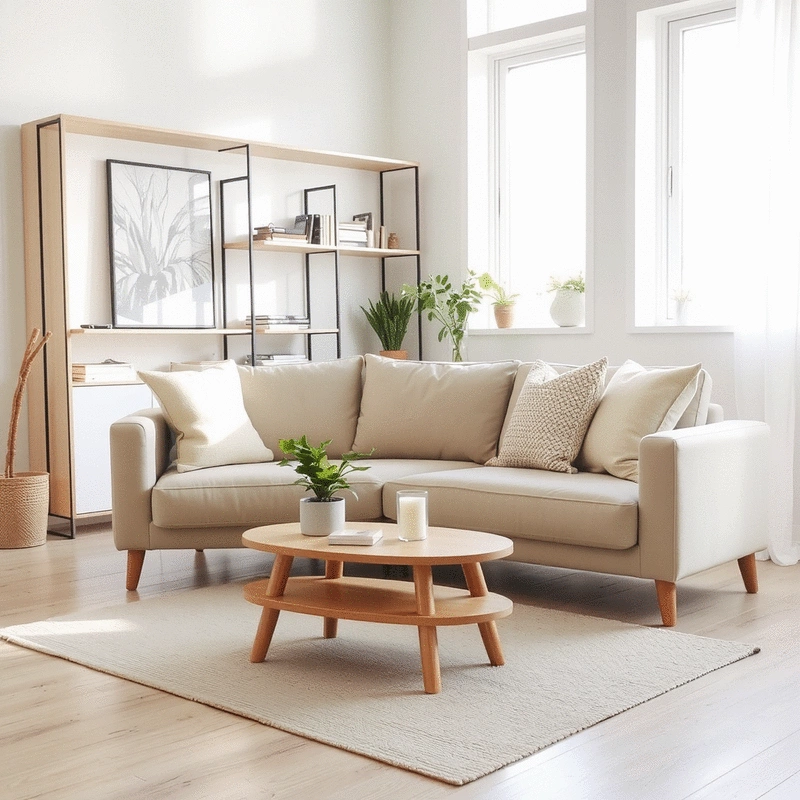
Imagine stepping into a serene space where every item has a purpose and contributes to your well-being. Minimalism is more than just a trend; it’s a lifestyle choice that can transform your home and mind. By adopting budget-friendly strategies, you can create an inviting living space that emphasizes simplicity and functionality.
What You Will Learn
- Minimalism prioritizes what truly matters, leading to reduced stress and a more peaceful environment.
- Simplicity, functionality, and a neutral color palette are essential principles for achieving a minimalist aesthetic.
- Different minimalist design styles, like Scandinavian and Japanese, offer unique approaches to creating a budget-friendly living space.
- Real-life success stories illustrate practical ways to embrace minimalism, even with limited resources.
- Renters can achieve a minimalist look through creative, non-permanent updates without risking their security deposits.
- Adopting minimalism can lead to psychological benefits, including reduced stress and improved focus.
- Overcoming challenges related to minimalism is possible with practical steps, like starting small and focusing on the positives.
Essential Principles of Minimalism
Explore the key principles that contribute to an effective minimalist living space. For instance, understanding the importance of simplicity can truly change your approach to home decor and organization. If you're struggling with too many items, you might find our guide on DIY Decluttering vs. Expert Help particularly useful.
Simplicity
Keep designs clean and uncluttered, focusing on what truly matters.
Functionality
Choose items that serve practical purposes and enhance the harmony of the space.
Neutral Colors
Opt for soft tones that create a peaceful backdrop, allowing your space to breathe.
Mindful Spending
Encourage resourcefulness and mindful purchases to maintain a minimalist lifestyle.
Budget-Friendly Strategies for Creating a Minimalist Living Space
Understanding Minimalism on a Budget
Minimalism isn't merely about having less; it’s about prioritizing what truly matters in our lives. By embracing a minimalist mindset, especially on a budget, we can reduce stress and enhance the quality of our living spaces. This approach allows us to focus on the essentials, creating an environment that feels open and peaceful.
For those of us who find ourselves overwhelmed by clutter, minimalism can offer a refreshing perspective. Imagine walking into a room where every item serves a purpose. That’s the power of minimalism! It encourages you to let go of the items that don’t contribute to your happiness, making room for those that do.
- Reduces distractions and enhances focus
- Encourages mindful spending and resourcefulness
- Fosters a calming atmosphere in your home
Key Principles of a Minimalist Aesthetic
To create a minimalist aesthetic, it’s essential to understand a few key principles. First and foremost is simplicity. By choosing only what you need, you can turn your space into a serene haven. Next, functionality plays a crucial role; every piece of furniture or decor should serve a purpose, contributing to the overall harmony of the space. To help you get started, explore some effective ways to declutter your home and embrace simplicity.
Another important aspect is the use of a neutral color palette. Soft whites, beiges, and gentle greens can create a peaceful backdrop, allowing your space to breathe. This is something I often emphasize in my work at Simply Renewed Home—how color can significantly impact the feel of your environment!
- Simplicity: Keep designs clean and uncluttered
- Functionality: Choose items that offer practical use
- Neutral Colors: Opt for soft tones that create calmness
Exploring Minimalist Design Styles
Minimalism comes in various styles, each with unique characteristics. One popular approach is Scandinavian design, which emphasizes light, simplicity, and a connection to nature. This style often incorporates natural materials and functional furniture, creating a cozy yet minimalist atmosphere.
Another notable style is Japanese minimalist design, which focuses on harmony with nature and simplicity in life. It often features open spaces filled with natural light, thoughtful layouts, and elements like tatami mats. Both styles provide fantastic inspiration for those looking to create a budget-friendly minimalist living space!
- Scandinavian: Light, natural materials, and functionality
- Japanese: Harmony with nature, open spaces, and simplicity
- Modern: Clean lines and innovative materials for a fresh look
Quick Summary
As we explore the journey towards a budget-friendly minimalist living space, here are the key points we've covered:
- Embracing minimalism helps prioritize what truly matters, reducing stress and enhancing your living environment.
- Key principles of a minimalist aesthetic include simplicity, functionality, and the use of neutral color palettes.
- Real-life success stories illustrate how individuals can transform their spaces using budget-friendly strategies.
- Common challenges, especially for renters, can be addressed with creative, non-permanent solutions.
Frequently Asked Questions (FAQs)
What is minimalism on a budget?
Minimalism on a budget is a lifestyle choice that focuses on prioritizing essential items and creating a serene living space without spending a lot of money. It emphasizes simplicity, functionality, and mindful spending.
What are the key principles of a minimalist aesthetic?
The key principles include simplicity (clean and uncluttered designs), functionality (items serving practical purposes), and the use of neutral colors (soft tones for a peaceful backdrop).
Can renters achieve a minimalist look?
Yes, renters can achieve a minimalist look through creative, non-permanent updates such as using removable wallpaper, investing in multi-functional furniture, and incorporating decorative storage options.
What are the psychological benefits of minimalism?
Adopting minimalism can lead to reduced stress, improved focus, a more organized mind, and a peaceful atmosphere that fosters creativity and personal growth.
How can I overcome challenges when transitioning to a minimalist lifestyle?
You can overcome challenges by starting small (decluttering one area at a time), establishing a timeline for tackling more difficult spaces, and focusing on the positive benefits of a clutter-free home.
Real-Life Applications and Case Studies
Minimalist Living Success Stories
At Simply Renewed Home, I love sharing inspiring stories from individuals who have embraced minimalism on a budget! These success stories not only highlight practical solutions but also show how a minimalist lifestyle can lead to a calmer, more organized home. For instance, one client, Jane, transformed her cluttered apartment into a serene space using budget-friendly strategies. Her journey exemplifies how simple ways to organize your living room can make a significant difference.
Jane began her journey with my Clutter-Free Starter Kit, which guided her in decluttering her living room. She focused on keeping items that truly sparked joy and learned to appreciate the beauty of simplicity. Through her dedication, Jane created a peaceful oasis that now reflects her values of sustainability and mindfulness!
- Jane's living room now features only a few essential pieces of furniture.
- She used thrift store finds to decorate without breaking the bank.
- Her home feels lighter and more open, contributing to her well-being.
Before and After Transformations
Visual transformations can be truly powerful! They showcase the impact of adopting minimalist principles and inspire others to start their own journeys. For example, I often share 'before and after' photos from clients who have taken the plunge into minimalism.
One transformation involved a small bedroom that was previously cluttered with too many personal items. After implementing a few easy changes, the space was completely revitalized. The new design emphasized neutral color palettes and functional storage solutions, creating a calming atmosphere. Seeing these changes reinforces why I am passionate about helping others embrace a more serene and clutter-free lifestyle.
- Before: A cramped space overflowing with furniture and decor.
- After: A bright, airy room with a focus on essential items.
- Features: A cozy reading nook with a single chair and a plant.
Common Challenges in Minimalist Living
Addressing Renter-Specific Limitations
Many people believe that achieving a minimalist aesthetic is impossible in rented spaces. However, I encourage renters to remember that creativity is key! You don’t need to make permanent changes to make a big impact. Simple updates can transform your space while keeping your security deposit intact. For more ideas on refreshing your rented space, consider our advice on how to declutter your living space easily.
Here are some renter-friendly tips to help you achieve a minimalist look:
- Use removable wallpaper or decals to refresh walls.
- Invest in multi-functional furniture that doesn’t require alterations.
- Incorporate decorative storage options that blend seamlessly into your decor.
Understanding the Psychological Benefits of Minimalism
It's fascinating to learn about the psychological advantages of living a minimalist lifestyle! Research shows that a decluttered space can lead to reduced stress and improved focus. I’ve seen firsthand how my clients experience a profound sense of relief once they let go of excess belongings.
Minimalism encourages not only a more organized environment but also a more organized mind. By simplifying our surroundings, we can create a peaceful atmosphere that fosters creativity and personal growth.
Overcoming Minimalist Challenges
Of course, transitioning to a minimalist lifestyle comes with its challenges. Many individuals struggle with guilt over letting go of items, or they may feel overwhelmed by the process. It’s completely normal to feel this way, and I’m here to help! At Simply Renewed Home, I provide guidance to navigate these obstacles. Learning to declutter sentimental items guilt-free is a common hurdle many face.
Here are some practical solutions to overcome common challenges:
- Start small by decluttering one room or area at a time.
- Establish a timeline to tackle more difficult spaces gradually.
- Remind yourself of the benefits of a clutter-free home, focusing on the positive changes.
Recap of Key Points
Here is a quick recap of the important points discussed in the article:
- Embrace minimalism to prioritize what truly matters and reduce stress in your living space.
- Key principles of minimalism include simplicity, functionality, and a neutral color palette for a calming atmosphere.
- Explore various minimalist design styles, such as Scandinavian and Japanese, for inspiration in creating your space.
- Learn from success stories like Jane's, who transformed her space using budget-friendly strategies and a decluttering approach.
- Address renter-specific limitations creatively by using removable decor and multi-functional furniture.
- Recognize the psychological benefits of minimalism, such as reduced stress and improved focus.
- Overcome challenges of transitioning to minimalism by starting small and establishing a gradual decluttering timeline.

Clara Whitstone
Clara Whitstone is a dedicated home organization expert and passionate advocate for sustainable living. With years of experience in creating calm and clutter-free environments, Clara shares practical tips and insightful guidance to help individuals transform their homes into serene spaces. Her mission is to empower others to embrace simplicity and sustainability in their everyday lives, guiding them toward a truly Simply Renewed Home.
Popular Posts
Money-Saving Reusable Household Swaps
![Money-Saving Reusable Household Swaps]() Did you know that single-use plastics can take hundreds of years to decompose? By switching to reusa
Did you know that single-use plastics can take hundreds of years to decompose? By switching to reusa
 Did you know that single-use plastics can take hundreds of years to decompose? By switching to reusa
Speedy Home Cleaning Tips
![Speedy Home Cleaning Tips]() Imagine transforming your chaotic living space into a serene sanctuary in just a fraction of the tim
Imagine transforming your chaotic living space into a serene sanctuary in just a fraction of the tim
 Imagine transforming your chaotic living space into a serene sanctuary in just a fraction of the tim
Effective Pantry Organization Tips
![Effective Pantry Organization Tips]() Ever felt overwhelmed by a disorganized pantry? You’re not alone! A staggering number of people st
Ever felt overwhelmed by a disorganized pantry? You’re not alone! A staggering number of people st
 Ever felt overwhelmed by a disorganized pantry? You’re not alone! A staggering number of people st
Composting Food Scraps Made Simple
![Composting Food Scraps Made Simple]() What if you could turn your kitchen scraps into nutrient-rich soil while helping the planet? Compost
What if you could turn your kitchen scraps into nutrient-rich soil while helping the planet? Compost
 What if you could turn your kitchen scraps into nutrient-rich soil while helping the planet? Compost
