Decreases Household Waste
Reduces the amount of organic waste sent to landfills, promoting a cleaner environment.
What if you could turn your kitchen scraps into nutrient-rich soil while helping the planet? Composting isn't just a trend; it's a sustainable practice that can drastically reduce waste and enrich your garden. Let’s embark on this journey of understanding household composting together!
Composting has numerous advantages that contribute to a healthier environment and sustainable living.
Reduces the amount of organic waste sent to landfills, promoting a cleaner environment.
Creates rich compost that enhances soil fertility and plant growth.
Minimizes methane emissions from landfills by diverting organic waste.
Promotes a diverse ecosystem in gardens, supporting various species.
Composting is a fantastic way to transform your kitchen scraps and yard waste into something valuable! Not only does it help reduce the amount of waste sent to landfills, but it also creates nutrient-rich soil for your garden or houseplants. As someone who believes in the power of sustainability, I find that composting aligns perfectly with the mission of Simply Renewed Home. It’s a simple and effective step towards a healthier home and environment! If you're looking for ways to further your sustainable journey, consider exploring tips for sustainable home practices for everyone.
At its core, composting is the natural process of recycling organic material, such as food scraps and yard waste, into a rich soil amendment. By starting a compost pile, you not only contribute to reducing landfill waste but also enhance your garden’s soil health, leading to better plant growth. Here are just a few benefits of composting:
When I first began composting, I was amazed at how much less trash my family produced. All those scraps that once went in the garbage were now contributing to a thriving garden! If you’re curious about sustainability and want to make a positive impact, composting is a wonderful place to start.
To successfully compost, you need to understand the three essential ingredients: greens, browns, and moisture. These components work together to create the ideal environment for decomposition. Let’s break them down:
Balancing these elements is key to creating a thriving compost pile! When I began composting at Simply Renewed Home, I realized how easy it is to gather these materials right from my kitchen and yard. Plus, it helps to keep my home organized by reducing clutter from food scraps! For more ideas on how to manage waste effectively, check out these effective home waste recycling tips.
When it comes to composting, selecting the right method depends on your living situation. Here’s a quick overview of popular composting methods:
Each method has its perks! I love the simplicity of backyard composting, but I’ve also seen fantastic results with worm bins. It's all about what best fits your lifestyle!
If you’re looking for something unique, consider exploring various composting systems. Here are a couple of fascinating options:
These methods can be a fun and effective way to compost! As I learned more about them, I found that they align perfectly with our mission at Simply Renewed Home to embrace sustainability in everyday routines.
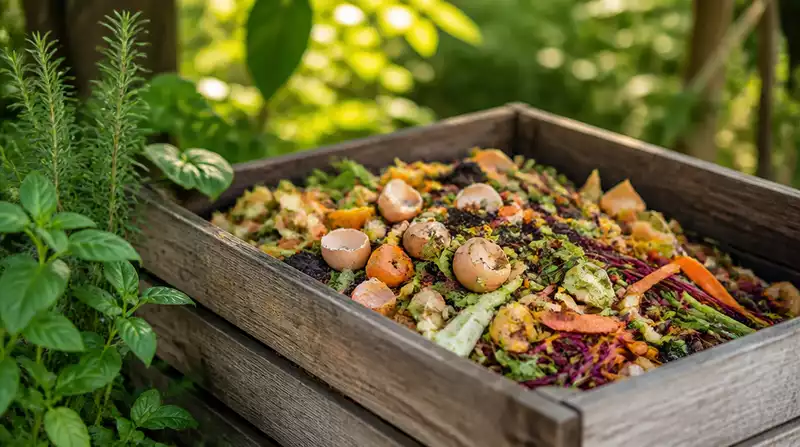
Knowing what to include in your compost pile is crucial for success. Here’s a quick guide to suitable kitchen scraps:
When I first started composting, I kept a small container on my kitchen counter to collect scraps. This made it super easy to gather everything and take it outside to my compost pile! Remember, every little effort contributes to a more sustainable lifestyle. For more help with keeping your kitchen tidy, check out these tips to keep your kitchen clutter-free.
Creating a balanced compost pile is essential for effective decomposition. The golden ratio to keep in mind is a carbon-to-nitrogen ratio of about 30:1. Here’s how to achieve that:
Layering not only helps speed up the composting process but also reduces odors! I always keep this in mind when building my compost pile—it truly makes a difference.
Once your compost pile is set up, maintaining it is key! Here are some essential practices to keep your compost thriving:
These practices have helped me get the most out of my compost pile at Simply Renewed Home. Just a few minutes of maintenance each week makes all the difference! For guidance on how to organize your home naturally, consider reading about DIY decluttering vs. expert help.
The temperature of your compost pile plays a vital role in how quickly it breaks down. Here’s what you need to know:
I found that understanding composting temperature allowed me to optimize my composting efforts! It’s fascinating to see how nature works. Remember, composting is about patience and understanding. Enjoy the journey!
Did you know? Adding a variety of materials to your compost pile can enhance the nutrient profile of your compost. Try incorporating different types of greens and browns, such as coffee grounds, banana peels, and crushed eggshells, to create a more balanced and effective compost mix!
As we wrap up our journey into the world of composting, I hope you're feeling inspired to take that first step! Composting not only helps reduce household waste but also enriches your garden and contributes to a healthier planet. Every little bit counts, and by composting your food scraps, you’re making a tangible difference. Imagine the satisfaction of nurturing your plants with compost made from your own kitchen scraps—it's a beautiful cycle!
Remember, starting your composting journey doesn’t have to be daunting. Begin small, and over time, you will find your rhythm. The rewards of composting, both for your home and the environment, are well worth the effort. If you embrace this sustainable practice, you'll contribute to a greener future for generations to come.
Are you ready to dive in? Here are a few key reasons to get you started on your composting adventure:
Starting today, you can begin your own composting journey and contribute to a healthier home and planet. Embrace this simple yet impactful habit, and you'll feel empowered by your decision to live more sustainably.
To help you along the way, consider checking out some fantastic resources:
These resources can provide you with valuable information to enhance your composting experience. Whether you're just starting or looking to improve your current system, there’s plenty of support available.
Lastly, don’t forget that you’re not alone in this journey! Consider connecting with local composting workshops or community groups. Engaging with fellow composters can provide you with:
At Simply Renewed Home, we encourage you to foster connections with others on this sustainable journey. By joining the composting community, you’ll not only enhance your skills but also build relationships that inspire a greater commitment to sustainability. Together, we can make a difference—one compost pile at a time!
Here is a quick recap of the important points discussed in the article:
Clara Whitstone is a dedicated home organization expert and passionate advocate for sustainable living. With years of experience in creating calm and clutter-free environments, Clara shares practical tips and insightful guidance to help individuals transform their homes into serene spaces. Her mission is to empower others to embrace simplicity and sustainability in their everyday lives, guiding them toward a truly Simply Renewed Home.