Money-Saving Reusable Household Swaps
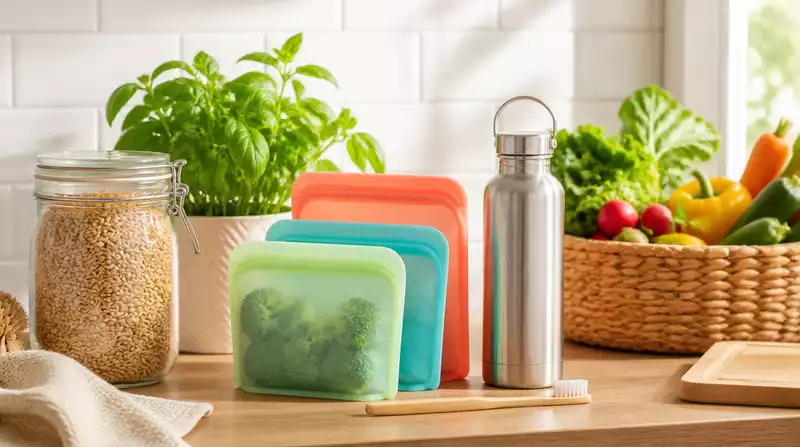
Did you know that single-use plastics can take hundreds of years to decompose? By switching to reusable household items, not only can you save money, but you also contribute to a healthier planet. Let’s explore the practical benefits of making these sustainable choices!
What You Will Learn
- Reusable household items can significantly reduce your monthly expenses by eliminating the need for frequent purchases of disposable products.
- Making the switch to reusables not only helps your wallet but also reduces waste, contributing to a cleaner environment.
- Common household swaps include replacing paper towels with cloth napkins, plastic bags with reusable shopping bags, and bottled water with a reusable water bottle.
- While the initial investment in reusable items may be higher, their durability and longevity lead to long-term savings, making them worthwhile purchases.
- Tracking your spending on disposable items and understanding potential savings can guide you in selecting the best reusable products for your home.
- Engaging with your community can provide support and inspiration as you transition to a more sustainable lifestyle.
Cost Comparison: Reusable Items vs. Disposable Items
Understanding the initial investment and long-term savings of reusable household items can help make informed decisions. Many people find that a DIY decluttering approach can also save money in the long run by reducing the need for new storage solutions and disposable organizing products.
Initial Cost of Reusable Items
Investing in durable items may seem high upfront, such as:
- Reusable Food Wraps: $20
- Cloth Napkins (Set of 12): $15
- Reusable Water Bottle: $25
Long-Term Savings with Reusable Items
Over time, these savings can add up:
- Plastic Wrap: $5/roll (replaced 10 times/year)
- Paper Towels: $15/month
- Total Annual Savings: $120
Frequency of Replacement
How often you need to replace items:
- Plastic Bags: Monthly
- Disposable Razors: Monthly
- Cloth Napkins: Years
Environmental Impact
Switching to reusables can reduce waste significantly:
- Single-use plastics take hundreds of years to decompose.
- Each reusable item can replace thousands of disposables.
Effective Reusable Household Swaps for Budget-Savvy Living
Switching to reusable household items is a fantastic way to save money while also caring for our planet! At Simply Renewed Home, we believe that sustainable living doesn’t have to be expensive. In fact, many reusable alternatives not only reduce waste but also lower your monthly expenses in the long run. So, let’s explore how these small changes can make a big difference!
Understanding the Benefits of Reusable Swaps
When we talk about reusable swaps, we’re really looking at how these items can lighten our load—both financially and environmentally. By choosing durable products over single-use items, you’re investing in your future. You'll notice that not only do you cut costs, but you’re also minimizing the amount of waste that ends up in landfills.
Another perk? Reusable items often work better than their disposable counterparts! For example, think about how much better a cloth napkin feels compared to a paper one. It’s all about creating a home that feels good and is good for the earth! For more ideas on how to create a more organized home, check out these effective ways to declutter your home.
How Reusable Items Can Save You Money
Here are some ways that switching to reusable items can save you money:
- Less Frequent Purchases: You won't need to keep buying paper towels or plastic bags.
- Longer Lifespan: Many reusable products last for years, making them a better value.
- Potential Bulk Buying: Buying in bulk reduces costs for items like laundry products or cleaning supplies.
By focusing on these benefits, you can see how choosing reusable items is a smart financial choice!
The Environmental Impact of Making the Switch
Switching to reusable options is not just a budget-friendly move; it’s also an important step towards sustainability. Did you know that single-use plastics take hundreds of years to decompose? By opting for reusables, you’re helping to keep our planet clean and healthy.
Imagine walking into a world where landfills are less crowded and oceans are free of plastic. That’s the vision we at Simply Renewed Home strive towards! Making these swaps can significantly decrease your carbon footprint—an important aspect of caring for our shared environment. Learn more about effective home waste recycling tips to further reduce your environmental impact.
Identifying Key Areas for Household Swaps
Now that we understand the benefits, let's take a closer look at where we can make these impactful swaps around the house. By identifying common areas where single-use items are prevalent, you can start your journey toward a more sustainable home.
Start by assessing your daily routines. Are there items you reach for regularly that could be replaced with something reusable? It’s like a mini treasure hunt where you discover how easy it can be to transition to more eco-friendly choices!
Exploring Common Household Items to Replace
Here are some items you might consider swapping out:
- Paper towels for cloth napkins
- Plastic bags for reusable shopping bags
- Bottled water for a reusable water bottle
- Disposable razors for a reusable razor
Each swap you make is a step towards creating a clutter-free and environmentally friendly living space, aligning perfectly with our mission at Simply Renewed Home!
Breaking Down Costs: Initial Investment vs. Long-Term Savings
When considering a switch to reusable items, it’s crucial to weigh the initial costs against long-term savings. While reusable products might seem pricier upfront, they often pay for themselves over time.
For instance, investing in a set of reusable food wraps might seem like a splurge, but you'll save money on plastic wrap over the years! Here’s a quick breakdown:
- Initial Cost: The price you'll pay for a reusable item.
- Replacement Frequency: How often you would need to replace a disposable item.
- Long-Term Savings: Calculate how much you save over time by using the reusable option.
By understanding these factors, you can make informed choices that benefit your wallet and the environment!
Pro Tip
Did you know? Transitioning to reusable items can be even more impactful when you create a dedicated storage space for them. By designating a specific area in your home for your reusable products, you'll not only keep them organized but also increase the likelihood of using them regularly. This simple step can help reinforce your commitment to sustainable living!
Consolidating Insights on Reusable Swaps
When making the switch to reusable household items, many questions may pop up. It's crucial to address these common queries to help ease your transition. Let’s dive into what you need to know about the long-term durability and maintenance of these products, as well as how to align your choices with your household budget.
Addressing Common Questions About Reusable Household Items
First off, you might be wondering about the long-term durability of reusable items. Most of these products, when cared for properly, can last for years! Regular maintenance, like washing cloth napkins or cleaning silicone bags, is key to ensuring they remain effective and safe for daily use.
Next, it’s essential to know how to select the right swaps for your budget. Start by identifying which items you use most frequently and prioritize those. For instance, if you reach for paper towels daily, a switch to cloth napkins could be a game changer for your finances and the environment!
- Assess your current usage of disposable items.
- Calculate the potential savings of reusable alternatives.
- Choose high-quality products that promise longevity.
Understanding how long your reusable products will last can greatly influence your choices. Many items, such as stainless steel straws or glass containers, can be used for a decade or more, making them worthwhile investments. This not only reduces waste but also makes your home a little more organized.
Encouraging Sustainable Practices and Smart Savings
Investing in reusable items is not just about saving money; it’s also a step towards a healthier planet! Each swap you make helps decrease the demand for single-use plastics, which can significantly benefit our environment. At Simply Renewed Home, we believe that small changes can lead to impactful results.
When you think of the bigger picture, it becomes clear how these eco-friendly choices contribute to sustainable living. Consider how many disposable products you purchase annually. By replacing them with reusables, you're making a commitment to both your wallet and the Earth!
- Track your spending on disposable items.
- Explore eco-conscious brands known for quality.
- Join community forums to share tips and experiences.
As you embark on your reusable journey, don't hesitate to connect with brands that prioritize sustainability. Many companies offer quality products that align with eco-friendly values, making it easier to build a home that reflects your commitment to the planet.
Taking Action Towards a Greener Home
Once you’ve gathered insights and addressed your questions, it’s time to take action! Transitioning to reusable swaps in your daily life doesn't have to be overwhelming. I like to recommend creating a personalized plan to guide you through this journey.
Frequently Asked Questions About Reusable Household Items
Here are some common questions to help you on your journey to a more sustainable home:
- How do reusable household items save money?
Reusable items save money by eliminating the need for frequent purchases of disposable products. While the initial investment might be higher, their durability and longevity lead to significant long-term savings.
- What are some easy reusable swaps I can make?
Easy swaps include replacing paper towels with cloth napkins, plastic bags with reusable shopping bags, and bottled water with a reusable water bottle. You can also switch to reusable food wraps instead of plastic wrap.
- What is the environmental impact of switching to reusables?
Switching to reusables drastically reduces waste, especially single-use plastics that take hundreds of years to decompose. Each reusable item can replace thousands of disposables, contributing to a cleaner, healthier planet and lowering your carbon footprint.
- How do I choose the right reusable items for my home?
Start by identifying the disposable items you use most frequently. Assess their current usage and calculate the potential savings of reusable alternatives. Prioritize high-quality products that promise longevity to ensure they are worthwhile investments.
- How do I maintain reusable items to ensure their durability?
Proper care is key to the longevity of reusable items. This often involves regular washing (e.g., cloth napkins), cleaning (e.g., silicone bags, water bottles), and proper storage to keep them effective and safe for daily use.
Steps to Implementing Reusable Swaps in Your Daily Life
To begin, establish a step-by-step plan for incorporating reusables into your routine. Here’s a simple structure you can follow:
- Identify one area of your home to focus on each week.
- Replace one disposable item with its reusable counterpart.
- Set reminders to maintain your new habits.
Engaging with your community can also provide valuable insights and support. Share your progress on social media, or join groups that focus on sustainable living. Your experiences could inspire others looking to make similar changes! You can further embrace sustainable home tips for everyone by integrating community efforts.
Final Thoughts: Embracing Eco-Friendly Living
In conclusion, the journey toward a greener home begins with small, manageable steps. By swapping out disposable products for reusable alternatives, you not only save money but also contribute to a healthier planet. Remember to reflect on the key savings and environmental benefits as you embark on this rewarding path!
So, why wait? Start your transition today! Share your favorite tips and experiences with friends and family—let's inspire each other to embrace a more sustainable lifestyle. Together, we can create a thriving community that values simplicity and eco-conscious living!
Recap of Key Points
Here is a quick recap of the important points discussed in the article:
- Financial Benefits: Reusable items reduce the need for frequent purchases, ultimately saving you money over time.
- Environmental Impact: Switching to reusables helps decrease waste and lowers your carbon footprint, contributing to a healthier planet.
- Common Swaps: Consider replacing paper towels with cloth napkins, plastic bags with reusable shopping bags, and bottled water with a reusable water bottle.
- Initial Investment vs. Long-Term Savings: While upfront costs may be higher, reusable products typically pay for themselves over time, making them a wise investment.
- Maintenance and Durability: Proper care ensures reusable items last for years, providing ongoing savings and reducing waste.
- Step-by-Step Transition: Implement changes gradually by focusing on one area of your home each week for a smoother transition.

Clara Whitstone
Clara Whitstone is a dedicated home organization expert and passionate advocate for sustainable living. With years of experience in creating calm and clutter-free environments, Clara shares practical tips and insightful guidance to help individuals transform their homes into serene spaces. Her mission is to empower others to embrace simplicity and sustainability in their everyday lives, guiding them toward a truly Simply Renewed Home.
Popular Posts
Money-Saving Reusable Household Swaps
![Money-Saving Reusable Household Swaps]() Did you know that single-use plastics can take hundreds of years to decompose? By switching to reusa
Did you know that single-use plastics can take hundreds of years to decompose? By switching to reusa
 Did you know that single-use plastics can take hundreds of years to decompose? By switching to reusa
Speedy Home Cleaning Tips
![Speedy Home Cleaning Tips]() Imagine transforming your chaotic living space into a serene sanctuary in just a fraction of the tim
Imagine transforming your chaotic living space into a serene sanctuary in just a fraction of the tim
 Imagine transforming your chaotic living space into a serene sanctuary in just a fraction of the tim
Effective Pantry Organization Tips
![Effective Pantry Organization Tips]() Ever felt overwhelmed by a disorganized pantry? You’re not alone! A staggering number of people st
Ever felt overwhelmed by a disorganized pantry? You’re not alone! A staggering number of people st
 Ever felt overwhelmed by a disorganized pantry? You’re not alone! A staggering number of people st
Composting Food Scraps Made Simple
![Composting Food Scraps Made Simple]() What if you could turn your kitchen scraps into nutrient-rich soil while helping the planet? Compost
What if you could turn your kitchen scraps into nutrient-rich soil while helping the planet? Compost
 What if you could turn your kitchen scraps into nutrient-rich soil while helping the planet? Compost
