Keep
Items you use regularly and bring you joy.
Did you know that a cluttered environment can significantly affect your mood and productivity? Understanding the sources of clutter in your life is the first step toward creating a peaceful, organized home. By implementing effective storage solutions, you can reclaim control over your living space and foster a serene atmosphere.
Sorting your belongings into these essential categories can help streamline your decluttering process and make decisions easier. For a more in-depth look at managing your belongings, consider whether DIY decluttering vs. expert help is right for you.
Items you use regularly and bring you joy.
Gently used items that someone else may need.
Broken or worn-out items that can’t be repaired.
Seasonal items or things you need infrequently.
Clutter can often creep into our lives without us realizing it! It affects how we feel in our homes and can make daily tasks much more challenging. At Simply Renewed Home, I’ve seen firsthand how common sources of clutter can create chaos in various rooms. Whether it’s overflowing closets, messy play areas, or kitchen counters covered in random items, understanding where the clutter comes from is the first step to tackling it effectively.
Some typical sources of clutter include:
As we identify these challenges, we can start to see how they impact our daily lives. For example, when your kitchen drawers are overflowing, it might take longer to find the tools you need. This can lead to frustration and a feeling of being overwhelmed. The goal of effective storage solutions is to create a serene environment where everything has its place, making your home a peaceful sanctuary.
To begin, take a close look at the rooms in your home. Each area may present different clutter challenges that need addressing. For instance, a living room may be filled with scattered toys or magazines, while a bedroom may be a victim of clothing overflow. In my experience, recognizing these clutter hotspots is crucial to developing effective storage solutions. For tips on managing specific areas, learn how to declutter your bedroom effectively.
Consider these questions when assessing your spaces:
By pinpointing these trouble spots, you can develop tailored strategies to combat clutter. For example, if your entryway is a constant mess, you might need a designated shoe rack or hooks for bags. Simplifying the clutter will help you regain control of your space and, ultimately, your life!
Now that we’ve identified our clutter challenges, it’s time to dive into a structured decluttering process. At Simply Renewed Home, I often recommend tackling one room at a time. This approach keeps the process manageable and less overwhelming. A step-by-step decluttering method allows you to sort your belongings into categories effectively.
Here’s a simple breakdown of how to sort items:
As you go through each room, ask yourself which category each item falls into. I encourage you to be honest about what you truly need and use. This process not only clears physical space but also lightens your mental load, making room for a more organized and peaceful home!
When decluttering room by room, it’s essential to have a plan in place. Here are some strategies you can implement:
By focusing on one area at a time, you’ll gradually see progress, which can be incredibly motivating! And remember, it’s perfectly okay to take breaks and celebrate small victories along the way. Each item you sort brings you one step closer to a clutter-free space where you can breathe and feel at ease.
To truly make your storage solutions effective, consider incorporating a labeling system. Labeling bins, shelves, and boxes not only helps everyone in the household locate items easily but also encourages everyone to return items to their designated spots. A clear labeling system can significantly reduce clutter and maintain organization over time!
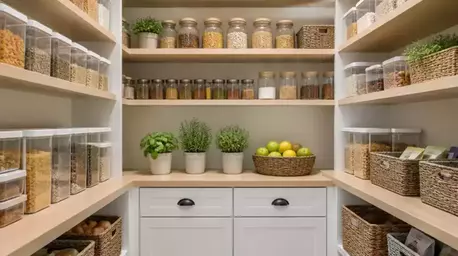
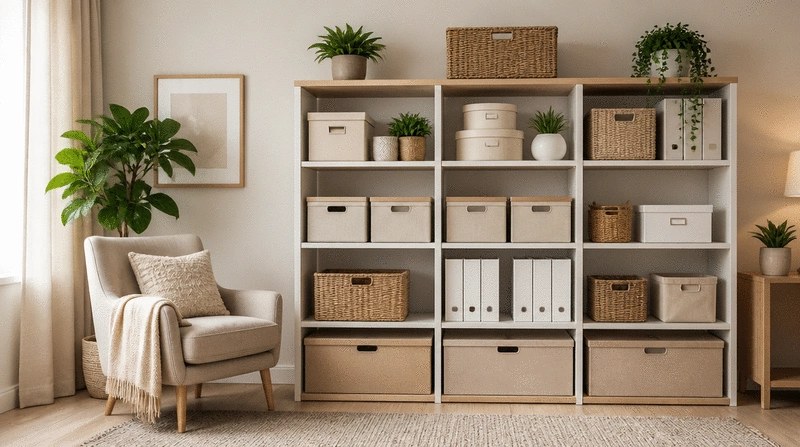
When it comes to creating a serene, organized home, selecting the right storage solutions is crucial. At Simply Renewed Home, we understand that every space is unique and requires tailored approaches to achieve optimal organization. That's why I like to use a step-by-step framework to help you choose the best storage solutions based on your specific needs.
First, consider your space and the items you need to store. Think about how often you use each item, the size of the space you have available, and what aesthetic you want to achieve. By aligning these factors with your lifestyle, you'll create a decision-making process that feels right for you. To keep your storage efforts sustainable, check out these sustainable home tips for everyone.
Creating a solid framework for selecting your storage options can significantly streamline the process. Begin by listing out all your items and categorizing them based on their frequency of use. This will help you identify the most appropriate storage solutions.
Next, involve the family in the decision-making process! This not only fosters a sense of community but also helps everyone understand the importance of maintaining a clutter-free environment. By collaborating, you can ensure that everyone’s needs are met, and you’ll have built-in support for your organization efforts.
Now that we have a framework in place, let’s focus on how to visualize and plan your storage layout. Effective layout planning incorporates designated storage zones tailored to your unique space. I often recommend starting with a simple floor plan to map out your storage zones.
By taking the time to plan your space carefully, you can make the most of both functional and aesthetic elements. This will not only keep clutter at bay but also create a harmonious environment, aligning with our mission at Simply Renewed Home to foster serene living spaces. Consider exploring clutter control for busy lives to integrate these strategies into a hectic schedule.
Designing a functional floor plan is an exciting step! Start by measuring your rooms and sketching a rough layout on paper. Consider where you want your storage pieces—think about how they’ll fit in with your existing furniture and decor.
As you plan, remember to leave enough space for movement. You want your home to feel open and inviting. Don't hesitate to revise your layout as needed; flexibility is key in achieving that *clutter-free* haven you desire!
Custom and built-in storage solutions can be game changers when it comes to maximizing your space. These options allow you to tailor your storage to fit your specific dimensions and style preferences. They can blend seamlessly with your home, enhancing its beauty while providing effective storage.
When considering custom solutions, think about working with professionals who can help you design storage that meets your needs while considering sustainability. At Simply Renewed Home, I advocate for options that are not only functional but also mindful of environmental impacts.
To ensure your storage solutions remain effective, establishing a maintenance schedule is essential. I suggest incorporating regular reviews of your storage systems. This way, you can adapt to changing needs as your lifestyle evolves. Just like any good habit, it’s important to nurture and maintain your organization efforts! For more detailed guidance, consider how to live clutter-free with long-term practices.
By periodically assessing your storage solutions, you can ensure everything continues to serve its purpose and remain accessible. This proactive approach will support your goal of a calm and organized home.
As you embark on your journey to a clutter-free home, I encourage you to implement the strategies we've discussed. Each small step brings you closer to creating a serene environment where you can thrive. Don’t forget to share your experiences with our Simply Renewed Home community—your journey might inspire others!
Remember, organization is a continuous process, and every little effort counts. Together, we can foster a more mindful approach to our living spaces, making each home a reflection of calm and clarity.
Here is a quick recap of the important points discussed in the article:
Clara Whitstone is a dedicated home organization expert and passionate advocate for sustainable living. With years of experience in creating calm and clutter-free environments, Clara shares practical tips and insightful guidance to help individuals transform their homes into serene spaces. Her mission is to empower others to embrace simplicity and sustainability in their everyday lives, guiding them toward a truly Simply Renewed Home.