Living Clutter-Free: Long-Term Practices
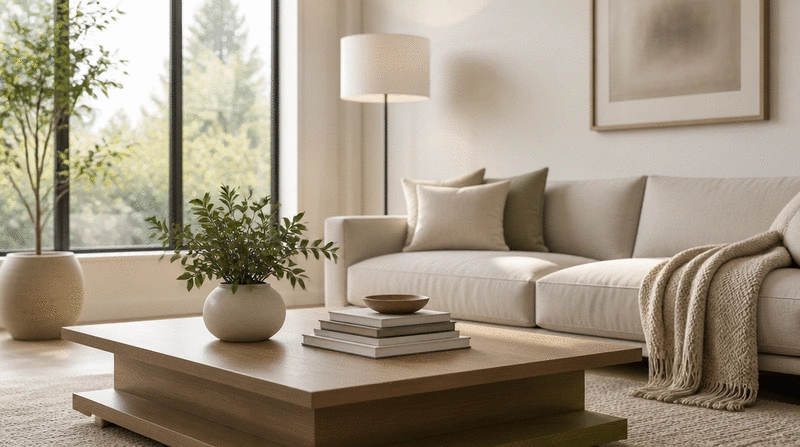
Have you ever noticed how a cluttered space can weigh heavily on your mind? A clutter-free home can transform not just your living environment, but your overall well-being as well. Let’s explore the key insights that will guide you on your journey to a more organized and peaceful life.
What You Will Learn
- Understand what a clutter-free home truly is and how it reflects your values and well-being.
- Discover sustainable decluttering practices that benefit both your home and the environment, such as donating and recycling.
- Learn actionable steps to embrace minimalism, focusing on quality over quantity in your belongings.
- Overcome emotional barriers by addressing attachments to items, allowing for a more intentional decluttering process.
- Involve family members in the decluttering journey, fostering cooperation and shared goals for a clutter-free home.
- Customize decluttering strategies based on your life stage and living situation, ensuring effectiveness regardless of your circumstances.
- Implement Feng Shui principles to enhance energy flow and tranquility in your living spaces.
- Utilize visual organization techniques to track and celebrate your decluttering progress, keeping motivation high.
- Establish a maintenance calendar to ensure ongoing success in maintaining a clutter-free environment.
- Recognize the significance of a clutter-free home in improving mental clarity and overall quality of life.
Key Elements of a Clutter-Free Home
The following are the essential components that contribute to creating a clutter-free living space. Whether you're considering DIY decluttering vs. expert help, understanding these elements is crucial.
Space for Movement
Ensure every area allows for easy movement and access.
Visible Surfaces
Surfaces should be clear of distractions to promote focus.
Functional Zones
Designate specific areas for tasks like work and relaxation.
Personal Touch
Incorporate items that bring joy but have a designated place.
Understanding the Foundations of a Clutter-Free Lifestyle
Creating a clutter-free home is not just about cleaning up; it’s about establishing a foundation for a more peaceful life. When I started my journey with Simply Renewed Home, I discovered that understanding the principles of a clutter-free lifestyle is essential for long-term success. This means recognizing what a clutter-free home truly is and how we can achieve it together!
A clutter-free home is more than empty surfaces; it’s a space that reflects your values and supports your well-being. It allows you to breathe easy and focus on what matters most. By defining what a clutter-free home means for you, we can create a personalized approach that fits into your life.
Defining a Clutter-Free Home for Long-Term Success
To define a clutter-free home, we need to consider several key elements:
- Space for Movement: Ensure that every area allows for easy movement and access.
- Visible Surfaces: Surfaces such as tables and counters should be clear of distractions.
- Functional Zones: Designate specific areas for tasks like work, relaxation, and hobbies.
- Personal Touch: Incorporate items that bring joy, but ensure they have a designated place.
By focusing on these elements, you can create a home that feels organized and inviting. This journey is about fostering a sense of calm while embracing simplicity, allowing you to thrive in your living space. For more tips on maintaining a clear living area, explore some simple ways to organize your living room.
The Importance of Sustainable Decluttering Practices
As we declutter, it’s crucial to think about sustainability. Adopting eco-friendly practices not only benefits our environment but also enriches our personal experience. When I began this process, I realized that sustainable decluttering practices are vital for creating a home that aligns with my values.
Here are some simple, sustainable practices you can integrate into your decluttering journey:
- Donate: Give your unwanted items a second life by donating them to local charities.
- Recycle: Always recycle items that can’t be reused, ensuring they don’t end up in a landfill.
- Repurpose: Get creative! Find new uses for items that no longer serve their original purpose.
- Buy Second-Hand: When you need new items, consider shopping at thrift stores or online marketplaces.
These practices not only make decluttering easier but also contribute to a healthier planet. Embracing sustainability empowers us to live more mindfully and intentionally.
Embracing Minimalism for a Simplified Life
Minimalism is a popular concept, but it can mean different things to different people. At Simply Renewed Home, I believe that embracing minimalism is about simplifying your life to make room for what truly matters. It’s not about depriving yourself, but rather focusing on quality over quantity.
Here are some actionable steps to help you embrace a minimalist lifestyle:
- Assess Your Belongings: Take inventory of what you own and eliminate duplicates or unused items.
- Focus on Experiences: Invest in experiences rather than material possessions that can clutter your space.
- Limit New Purchases: Before adding anything new, ask if it’s truly necessary or if it will add value to your life.
- Enjoy the Process: Remember, minimalism is a journey. Celebrate small victories as you simplify your living space!
By embracing minimalism, you can create a serene environment that promotes peace and joy in your daily life. As you start to remove the excess, you'll discover a newfound appreciation for the simple things!
Quick Summary
Here's a brief recap of the key points discussed so far:
- Understanding the principles of a clutter-free lifestyle is essential for long-term success.
- Embracing sustainable decluttering practices benefits both the environment and your personal journey.
- Addressing emotional attachments can ease the decluttering process and help you make intentional decisions.
- Customization of decluttering strategies is crucial for different life stages and living situations.
Frequently Asked Questions About a Clutter-Free Home
A clutter-free home is characterized by easy movement, clear surfaces, functional zones for various activities, and intentional personal touches. It’s a space that supports your well-being and reflects your values, rather than just being empty.
Sustainable decluttering practices, such as donating, recycling, repurposing, and buying second-hand, benefit both the environment and your personal experience. They ensure items don't end up in landfills and promote mindful, intentional living.
To embrace minimalism, assess your belongings to eliminate duplicates, focus on experiences over material possessions, limit new purchases to truly necessary items, and celebrate small victories throughout your journey. It's about quality over quantity.
To address emotional attachments, reflect on memories associated with items, take photos to preserve the memory without the physical object, and set limits on the number of sentimental items you keep to prioritize what truly matters.
Feng Shui principles enhance clutter-free spaces by focusing on clear pathways for energy flow, using calming colors, and maximizing natural light. This creates a home that not only looks organized but also feels serene and balances energy.
Overcoming Psychological Barriers to a Clutter-Free Lifestyle
Many of us face emotional challenges when trying to declutter our homes. It’s not just about physical items; it often involves deep-rooted feelings and attachments to our belongings. Understanding these emotions is the first step toward achieving a truly clutter-free environment. As you navigate this journey, think about what each item means to you. Are you holding onto something because of fond memories, or is it simply taking up space? By recognizing these feelings, you can start to let go of things that no longer serve you.
One way to address these emotional attachments is by asking yourself, "Would I miss it if it were gone?" This simple question can help clarify whether an item contributes to your happiness or just adds to your clutter. Remember, it’s okay to keep special items, but it’s essential to differentiate between sentimental value and mere possession. For guidance on handling specific items, consider how to declutter sentimental items guilt-free.
Addressing Emotional Attachments to Items
Let’s face it, we all get attached to certain things! Whether it's a childhood toy or a gift from a loved one, these items can stir up powerful emotions. However, it’s crucial to find a balance between sentiment and space. Here are some strategies for addressing emotional attachments:
- Reflect on Memories: Write down the memories associated with the item before deciding to let it go.
- Take Photos: Capture the essence of the item through photographs. This way, you can keep the memory without the clutter.
- Set Limits: Allow yourself a specific number of sentimental items to keep. This helps you prioritize what truly matters.
By taking these steps, you can ease the emotional weight of decluttering and make more intentional decisions about your belongings.
Strategies for Navigating Family Resistance to Decluttering
Family members can sometimes be the biggest obstacles in our clutter-free journeys. It can be tricky when their attachment to items clashes with your desire for a minimalist space. Open communication is key here! Try to involve your family in the decluttering process. Here are a few tips:
- Have Open Discussions: Talk about the benefits of a clutter-free home together.
- Set Joint Goals: Create shared objectives, like decluttering a specific area of the house.
- Respect Boundaries: Understand that some items may hold value for them, even if they don’t for you.
By fostering a sense of cooperation, you can create a more peaceful decluttering experience for everyone involved.
Integrating Clutter-Free Practices into Family Life with Kids and Pets
Living with kids and pets adds another layer of complexity to maintaining a clutter-free home. However, it’s entirely possible to foster a clutter-free lifestyle even in a bustling household! Here’s how:
- Make Decluttering Fun: Turn sorting into a game with your kids. Use a timer and see who can fill a box the fastest!
- Teach Responsibility: Encourage kids to take ownership of their belongings. Implement a "one in, one out" rule.
- Designate Spaces: Create specific areas for toys, pet supplies, and other items to keep everything organized.
With a little creativity, you can maintain a clutter-free environment that also accommodates the lively energy of kids and pets. For more detailed advice, check out our guide on clutter-free living with kids.
Feng Shui Principles for Enhancing Clutter-Free Spaces
Have you ever thought about how the arrangement of your home can impact your peace of mind? Incorporating Feng Shui principles can significantly enhance your clutter-free lifestyle. This ancient practice focuses on the flow of energy, or qi, within your space. Here are some key Feng Shui tips to consider:
- Clear Pathways: Ensure that areas in your home are unobstructed, allowing energy to flow freely.
- Use Color Wisely: Soft, calming colors can promote tranquility, while bold colors can energize spaces.
- Embrace Natural Light: Open curtains and let sunlight in! Natural light can uplift your mood and enhance your environment.
By applying these Feng Shui concepts, you can create a home that not only looks organized but also feels serene.
Customization for Different Life Stages and Spaces
Decluttering isn't a one-size-fits-all process. As life changes, so do your clutter management needs. Whether you're in a small apartment, raising kids, or caring for elderly family members, it's essential to adapt your approach. Tailoring your strategies can make maintaining a clutter-free environment much more manageable and effective.
For instance, if you’re living in a small space, consider vertical storage solutions to maximize your area. Conversely, if you're a busy family, incorporate quick pick-up routines after meals or playtime. These tailored approaches ensure that your home remains a calm, organized sanctuary, no matter your circumstances.
Adapting Clutter Management Techniques for Seniors
As we age, our needs and abilities change, making it essential to adapt clutter management techniques. Here are some gentle strategies for seniors:
- Downsize Gradually: Encourage seniors to declutter slowly, focusing on one area at a time to avoid overwhelm.
- Use Clear Bins: Transparent storage can help seniors see what they have without needing to dig through boxes.
- Seek Support: Encourage family members to assist with sorting and organizing, fostering connection and care.
By implementing these strategies, seniors can enjoy a clutter-free home that supports their lifestyle.
Decluttering Strategies for Small Apartments and Busy Families
Living in a small apartment or managing a busy family can make clutter seem insurmountable. However, with the right strategies, you can keep your space organized!
- Use Multi-Functional Furniture: Invest in items that serve multiple purposes, like storage ottomans or beds with drawers.
- Establish Family Zones: Create designated areas for each family member’s items to minimize overlap and confusion.
- Rotate Toys: Store some toys away and rotate them periodically to keep the play area fresh and manageable.
With these techniques, you can create harmony in even the busiest environments. Discover more effective strategies to declutter your living space easily.
Creating a Capsule Wardrobe for Simplified Living
Are you tired of staring at a full closet yet feeling like you have nothing to wear? A capsule wardrobe can be a game-changer! By curating a selection of versatile and timeless pieces, you can simplify your daily routine. Here’s how to create one:
- Choose a Color Palette: Select colors that complement each other to maximize outfit combinations.
- Pick Essential Pieces: Include items that can be mixed and matched, such as classic tops, bottoms, and outerwear.
- Limit the Number: Aim for 30-40 pieces, focusing on quality over quantity.
With a capsule wardrobe, you’ll enjoy a simplified closet and a stress-free dressing experience!
Measuring Progress and Celebrating Small Wins
Embarking on your clutter-free journey is a process, and it’s essential to acknowledge your progress along the way. Celebrating small wins not only keeps you motivated but also reinforces your commitment to a clutter-free lifestyle. Consider tracking your achievements in a journal or through a visual method, like a chart or mood board. This can provide a tangible reminder of how far you’ve come!
At Simply Renewed Home, we believe that every step counts. Whether it’s the completion of a single room or the successful implementation of a new habit, every accomplishment deserves recognition.
Tools and Metrics for Tracking Your Clutter-Free Journey
To effectively measure your progress, consider using various tools and metrics. Here are some useful options:
- Decluttering Checklists: Create or download checklists to keep track of your completed tasks.
- Before and After Photos: Documenting your spaces can visually showcase your success and inspire you to continue.
- Goal Setting Apps: Use apps to set decluttering goals and track your achievements over time.
With these tools, you’ll stay organized and motivated throughout your journey.
Case Studies Highlighting Successful Clutter-Free Transformations
Reading about others' successes can be incredibly inspiring! Consider looking into case studies of individuals or families who have transformed their homes through decluttering. These stories often showcase:
- Challenges Faced: Understand the hurdles they overcame during their journey.
- Techniques Used: Learn about the specific methods that led to their success.
- Impact on Well-Being: Discover how decluttering positively affected their lives beyond just a tidy home.
These transformations remind us that we’re not alone in this journey and that change is possible!
Using Visual Organization Techniques to Showcase Progress
Visual organization can make a significant impact on your clutter-free journey. By showcasing progress visually, you can feel motivated and inspired. Here are some techniques to consider:
- Progress Boards: Create a board displaying your goals, achievements, and any motivational quotes.
- Photo Collages: Compile before and after photos of your spaces to celebrate your hard work.
- Color-Coded Systems: Use color-coded bins for different categories to make organization visually appealing.
By using these visual techniques, you can create a sense of accomplishment and keep your motivation alive.
Encouragement and Final Thoughts on Maintaining a Clutter-Free Lifestyle
As we wrap up, remember that maintaining a clutter-free lifestyle is an ongoing journey. It requires consistent effort and a willingness to adapt. Regularly reassessing your habits and making necessary adjustments will ensure long-term success. Whether you dedicate time each day or week, find a rhythm that works for you.
Your home is a reflection of your values, and a clutter-free environment can foster peace and tranquility. At Simply Renewed Home, we're here to support you every step of the way, providing resources and encouragement to help you create the serene space you desire.
Building a Maintenance Calendar for Ongoing Success
Creating a maintenance calendar can help you stay on track and maintain your clutter-free home. Here’s how to build one:
- Schedule Regular Decluttering Days: Set aside specific days each month for decluttering sessions.
- Daily 5-Minute Routines: Incorporate quick tidying sessions into your daily routine.
- Seasonal Deep Cleans: Plan for larger decluttering projects at the start of each season.
By having a maintenance calendar, you can ensure that your home stays organized and clutter-free for the long haul! For more detailed guidance, consider our article on clutter control for busy lives.
Lasting Motivation: Why a Clutter-Free Home Matters
Finally, it’s essential to remember why you embarked on this journey. A clutter-free home can lead to improved well-being, reduced stress, and a greater sense of peace. When we clear our spaces, we also create room for clarity in our minds.
At Simply Renewed Home, we believe that a clutter-free lifestyle not only enhances our surroundings but also our overall quality of life. It’s about creating a sanctuary where you can thrive!
Call to Action: Start Your Clutter-Free Journey Today
Are you ready to take the next step? Start your clutter-free journey today by downloading our free *Clutter-Free Starter Kit*! It’s packed with tips and a simple 7-day challenge to help you begin your transformation. Remember, every small step counts toward creating a beautiful, serene home environment!
Recap of Key Points
Here is a quick recap of the important points discussed in the article:
- Define Your Clutter-Free Space: Establish clear areas for movement, functional zones, and incorporate personal touches that reflect your values.
- Adopt Sustainable Practices: Donate, recycle, repurpose, and buy second-hand to align your decluttering with eco-friendly values.
- Embrace Minimalism: Focus on quality over quantity by assessing belongings, limiting new purchases, and investing in experiences.
- Address Emotional Attachments: Reflect on memories, take photos, and set limits on sentimental items to ease the decluttering process.
- Involve Your Family: Communicate openly, set joint goals, and respect boundaries to navigate family resistance during decluttering.
- Customize for Your Lifestyle: Tailor decluttering strategies based on your living situation, whether it’s a small apartment, a family home, or for seniors.
- Utilize Visual Organization: Implement visual techniques to track progress and maintain motivation throughout your decluttering journey.
- Establish a Maintenance Plan: Create a maintenance calendar with regular decluttering days and daily routines to ensure long-term success.

Clara Whitstone
Clara Whitstone is a dedicated home organization expert and passionate advocate for sustainable living. With years of experience in creating calm and clutter-free environments, Clara shares practical tips and insightful guidance to help individuals transform their homes into serene spaces. Her mission is to empower others to embrace simplicity and sustainability in their everyday lives, guiding them toward a truly Simply Renewed Home.
Popular Posts
Money-Saving Reusable Household Swaps
![Money-Saving Reusable Household Swaps]() Did you know that single-use plastics can take hundreds of years to decompose? By switching to reusa
Did you know that single-use plastics can take hundreds of years to decompose? By switching to reusa
 Did you know that single-use plastics can take hundreds of years to decompose? By switching to reusa
Speedy Home Cleaning Tips
![Speedy Home Cleaning Tips]() Imagine transforming your chaotic living space into a serene sanctuary in just a fraction of the tim
Imagine transforming your chaotic living space into a serene sanctuary in just a fraction of the tim
 Imagine transforming your chaotic living space into a serene sanctuary in just a fraction of the tim
Effective Pantry Organization Tips
![Effective Pantry Organization Tips]() Ever felt overwhelmed by a disorganized pantry? You’re not alone! A staggering number of people st
Ever felt overwhelmed by a disorganized pantry? You’re not alone! A staggering number of people st
 Ever felt overwhelmed by a disorganized pantry? You’re not alone! A staggering number of people st
Composting Food Scraps Made Simple
![Composting Food Scraps Made Simple]() What if you could turn your kitchen scraps into nutrient-rich soil while helping the planet? Compost
What if you could turn your kitchen scraps into nutrient-rich soil while helping the planet? Compost
 What if you could turn your kitchen scraps into nutrient-rich soil while helping the planet? Compost
