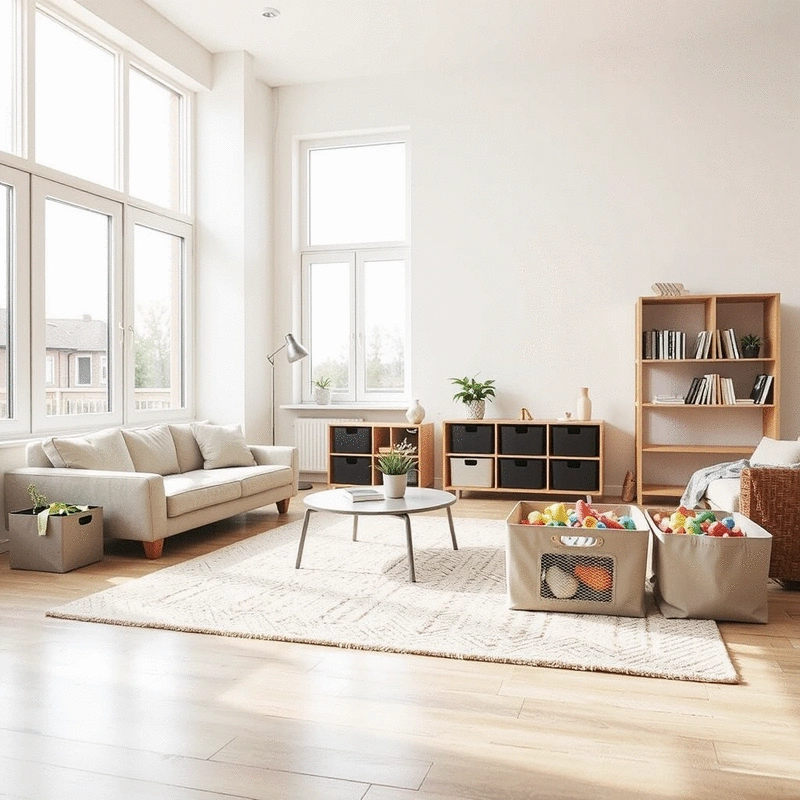
Boosting Confidence
A tidy space allows children to find and use their belongings easily, giving them a sense of accomplishment.
Have you ever noticed how a clean space can make you feel more at ease? For children, a clutter-free environment is not just about aesthetics; it's essential for their emotional and cognitive development. In this article, we explore the profound impact organization has on kids and how parents can foster environments that promote learning, creativity, and independence.
Creating a tidy space can significantly influence children's emotional well-being, behavior, and ability to focus. Here are some key benefits of maintaining an organized environment:
A tidy space allows children to find and use their belongings easily, giving them a sense of accomplishment.
When everything has a place, children learn responsibility and can take charge of their environment.
A clutter-free space provides room for imaginative play, allowing kids to focus on their activities.
Clean spaces can enhance concentration and productivity, allowing for uninterrupted activities.
Creating a clutter-free environment for our children is not just about aesthetics; it's pivotal for their development! A tidy space can significantly influence their emotional well-being, behavior, and ability to focus. As a home organization expert, I’ve seen first-hand how a calm and organized space can empower kids to thrive. For more insights on achieving this, explore DIY decluttering vs. expert help.
When clutter is minimized, children have the opportunity to feel more in control and less overwhelmed. They can engage with their surroundings more meaningfully, leading to better learning experiences. Let's dive deeper into how an organized environment can support our kids' growth!
Being organized can provide several benefits for kids, including:
By understanding these benefits, parents can help nurture an atmosphere conducive to growth. It's about creating a space that encourages exploration and learning!
In a world filled with distractions, a clutter-free environment can be a game changer for kids. Studies show that clean spaces can enhance concentration and productivity. When children can easily find their books, art supplies, or toys, they can dive right into their activities without interruption. You can find more tips on how to declutter your living space easily to support this.
Here are some ways to create a focused environment:
By fostering a clutter-free atmosphere, we help kids not just in their studies but in building lifelong habits of focus and success!
Teaching kids about mindful consumption is essential in our cluttered world. As a mom and home organization expert, I find it vital to instill values of minimalism early on. This not only reduces clutter but promotes a thoughtful approach to what we bring into our homes.
To introduce minimalism to children, consider these strategies:
By embracing minimalism, we teach our kids to live with intention, ultimately setting the stage for a more peaceful and organized home environment. Together, we can foster a mindful approach that celebrates simplicity!
Did you know? Engaging children in the decluttering process not only helps them develop a sense of ownership over their belongings, but it also teaches them valuable life skills such as decision-making and responsibility. Try implementing a "Declutter Jar" where kids can drop in ideas of things they want to let go of. This keeps the process fun and allows them to have a say in what stays and what goes!
Having a clutter-free home, especially for children, can sometimes feel like a daunting task. However, by using the 'One In, One Out' method, we can create a more organized space while teaching kids valuable lessons about sustainability. This method is simple: for every new item that comes into the home, an old item needs to leave. It's a fantastic way to manage accumulation and encourage mindful consumption! For more ideas on how to manage your home sustainably, check out sustainable home tips for everyone.
To put this method into practice, you might want to set some guidelines for your family. Here’s how you can get started:
It’s easy for kids to receive numerous gifts during holidays or birthdays. To prevent clutter from piling up, consider implementing some clear gift management practices. This not only helps keep your home organized but also teaches kids the value of appreciating what they already have.
Every season is a great opportunity for a mini declutter. Setting aside time to do seasonal inventory audits can help you maintain control of your living space. These audits can become family traditions that children look forward to and learn from!
Encouraging a buy less mentality can significantly impact your home’s organization. It’s about instilling values of sustainability and mindfulness in your children. Start by talking with them about the reasons behind less consumption and how it aligns with a clutter-free lifestyle.
Getting kids involved in decluttering can transform the experience from a chore into a fun activity. By gamifying the process, children will not only participate but also develop a sense of ownership over their spaces. Here are some creative approaches to encourage their involvement!
Turning cleanup into a game can make a world of difference! Kids naturally love fun and competition, so why not channel that energy into organizing their space? Here are some ideas:
When kids help declutter, they learn responsibility and independence, which are essential for their growth. Allowing them to decide what to keep or donate fosters confidence and critical thinking.
Positive reinforcement is key when teaching kids about organization and responsibility. Celebrate small wins and create a supportive environment that acknowledges their efforts!
With a multitude of strategies for maintaining a clutter-free home, it’s essential to consolidate these approaches into a cohesive plan. This helps ensure long-term success and creates a harmonious family environment.
To keep it fresh in your mind, here’s a quick recap of the organizational techniques we've covered:
Creating a clutter-free home is truly a family effort. Encourage everyone’s involvement to foster a sense of teamwork and shared responsibility.
Lastly, technology can be a great ally in your quest for organization. Consider using family organization apps to streamline tasks and maintain accountability.
Now that we've got some strategies to implement, let’s look at interactive resources that can make the process easier for everyone involved. These tools can help parents assess readiness and guide their kids in organization.
Creating decision trees or checklists can help parents navigate the decluttering process effectively. These resources can clarify steps and encourage kids to engage in the organization.
It's normal to have questions about engaging kids in decluttering. Providing answers to common concerns can ease anxiety and foster confidence.
A clutter-free environment helps children feel more in control, less overwhelmed, and can significantly influence their emotional well-being, behavior, and ability to focus. It also boosts confidence, fosters independence, and encourages creativity.
You can teach mindful consumption by discussing the difference between needs and wants, involving them in decluttering their belongings, and leading by example by simplifying and decluttering your own space.
The 'One In, One Out' method is a strategy where for every new item that comes into the home, an old item needs to leave. This helps manage accumulation and teaches kids about sustainability.
You can gamify cleanup by creating races to pick up toys, using stickers or tokens as rewards, or setting up treasure hunts for items to donate or recycle. Positive reinforcement through praise and reward systems is also effective.
Handling sentimental items requires patience. Encourage them to keep a select few truly meaningful items, perhaps by rotating them or creating a special "memory box." Focus on the memories associated with the item rather than the item itself. You might find useful tips on how to declutter sentimental items guilt-free.
Visual aids can make organization fun and relatable! Consider incorporating simple crafts that encourage kids to take ownership of their spaces.
Creating a clutter-free environment is a journey, and every small step counts! As you guide your children through this process, you’re not just organizing your home; you're also nurturing their growth and independence. For more guidance on maintaining an organized household, consider visiting our article on clutter control for busy lives.
A clutter-free home can significantly enhance family well-being. It reduces stress, promotes mindfulness, and creates a harmonious atmosphere for everyone. By working together as a family, you’ll foster stronger bonds and a sense of shared accomplishment!
I’d love to hear from you! Share your experiences with decluttering and organization—what worked for you? How have your kids responded? Your stories can inspire others in our community at Simply Renewed Home to embark on their own journeys toward a calmer, clutter-free space!
Here’s a quick recap of the important points discussed in the article:
Clara Whitstone is a dedicated home organization expert and passionate advocate for sustainable living. With years of experience in creating calm and clutter-free environments, Clara shares practical tips and insightful guidance to help individuals transform their homes into serene spaces. Her mission is to empower others to embrace simplicity and sustainability in their everyday lives, guiding them toward a truly Simply Renewed Home.