Cleaning High Touch Surfaces Guide
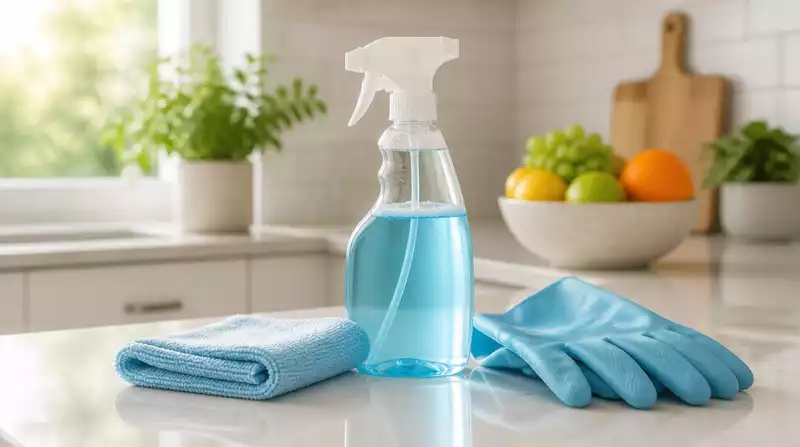
In the current climate, maintaining cleanliness has never been more crucial. High-touch surfaces often become breeding grounds for germs, making regular cleaning essential for a healthy environment. Are you aware of the simple steps that can protect your home and loved ones from illness?
What You Will Learn
- Definition of High-Touch Surfaces: Learn what constitutes high-touch surfaces in your home and workplace for better cleaning focus.
- Health Risks: Understand the potential health risks associated with neglecting these surfaces and how they contribute to the spread of germs.
- CDC Guidelines: Familiarize yourself with CDC recommendations for effectively cleaning and disinfecting high-touch surfaces.
- Step-by-Step Cleaning Process: Master the essential steps for cleaning, including preparation, disinfecting, and finishing touches.
- Selecting Disinfectants: Discover criteria for choosing the right cleaning products, including the importance of EPA-registered options.
- Eco-Friendly Practices: Explore the benefits of using eco-friendly and non-toxic cleaners for a safer home and environment.
- Encouraging Cleaning Habits: Learn how to foster a culture of cleanliness among family members or coworkers for more effective cleaning routines.
Essential Steps for Cleaning High-Touch Surfaces
The following outlines the key steps involved in effectively cleaning high-touch surfaces to maintain a healthy environment. For more insights on keeping your home tidy, check out our guide on how to declutter your living space easily.
Step 1: Pre-Cleaning Process
Remove any visible dirt or grime using a damp cloth. This ensures disinfectants can work effectively.
Step 2: Disinfecting Procedures
Apply disinfectant according to product instructions, paying attention to contact time for effective germ elimination.
Step 3: Drying and Finishing Touches
Allow surfaces to air dry to ensure disinfectant effectiveness. Wipe off any excess if necessary.
Safety Considerations
Wear personal protective equipment like gloves to protect your skin from harsh chemicals during cleaning.
A Practical Guide to Cleaning High-Touch Surfaces
Understanding High-Touch Surfaces
Definition of High-Touch Surfaces
High-touch surfaces are areas in our homes and workplaces that are frequently handled and can harbor germs and bacteria. These surfaces are often touched by multiple people throughout the day, increasing the risk of spreading illnesses. At Simply Renewed Home, we emphasize the importance of addressing these surfaces to maintain a clean and healthy environment.
Common Examples of High-Touch Surfaces
Identifying high-touch surfaces is the first step in effective cleaning. Common examples include:
- Doorknobs and handles
- Light switches
- Countertops and tables
- Remote controls
- Keyboards and phones
- Bathroom fixtures, like faucets
By focusing on these areas, you’ll significantly reduce the chances of germs multiplying in your space. It’s a simple yet powerful act of maintaining a healthier home for you and your loved ones!
Importance of Cleaning High-Touch Surfaces
Health Risks Associated with Unclean Surfaces
When high-touch surfaces are neglected, they can become hotspots for germs that lead to illness. Touching these surfaces and then your face can easily transmit viruses and bacteria. To protect yourself and your family, it's crucial to incorporate regular cleaning into your routine. For more help with organizing your home, consider exploring simple ways to organize your living room.
The Role of Cleaning in Infection Control
Cleaning these surfaces plays a vital role in infection control. By consistently disinfecting, you actively reduce the risk of spreading diseases, especially in communal areas like offices or schools. Simple steps can lead to significant changes in overall health and well-being!
CDC Recommendations for High-Touch Surface Cleaning
The Centers for Disease Control and Prevention (CDC) provides guidelines for cleaning and disinfecting high-touch surfaces. They recommend:
- Using EPA-registered disinfectants
- Focusing on surfaces that are frequently touched
- Regularly scheduled cleaning routines, particularly during flu season or pandemics
By following these recommendations, you’ll strengthen your cleaning practices and create a safer space for everyone.
Step-by-Step Framework for Cleaning High-Touch Surfaces
Initial Preparation: Gather Your Supplies
Before diving into the cleaning process, it's essential to gather all necessary supplies. Here’s what you’ll need:
- Disinfecting wipes or sprays
- Microfiber cloths
- Gloves
- Trash bags for waste
Having everything at hand will make the process smoother and more efficient. Believe me, a little preparation goes a long way!
Step 1: Pre-Cleaning Process
The first step is to remove any visible dirt or grime. Use a damp cloth to wipe down the surface before applying any disinfectant. This pre-cleaning ensures that the disinfectant can work effectively.
Step 2: Disinfecting Procedures
Once the surface is clean, apply your disinfectant according to the product instructions. Pay attention to the contact time—this is the time the surface should remain wet to effectively kill germs. Remember: the longer it stays wet, the better!
Step 3: Drying and Finishing Touches
After disinfecting, allow the surface to air dry. This ensures that the disinfectant remains effective. You can use a clean cloth to wipe off any excess if necessary. It’s all about making sure you're leaving behind a clean and safe space.
Utilizing PPE (Personal Protective Equipment) During Cleaning
When cleaning high-touch surfaces, consider wearing personal protective equipment like gloves. This protects your skin from harsh chemicals and ensures a safe cleaning experience. Remember, safety first!
Product Selection for Effective Cleaning
Types of Disinfectants: Wipes vs. Sprays vs. Liquids
Choosing the right type of disinfectant is crucial. Here’s a quick rundown:
- Wipes: Convenient and easy to use for quick clean-ups.
- Sprays: Great for larger surfaces and can cover more area.
- Liquids: Often used for soaking and can be more versatile.
Pick the option that best fits your cleaning needs! For more insights on decluttering, explore the benefits of DIY decluttering versus expert help.
Criteria for Choosing the Right Product
When selecting a cleaning product, consider the following:
- Effectiveness against germs
- Safe for the surfaces being cleaned
- Eco-friendly options, if possible
These factors will help ensure that you're making a smart choice for both your home and the environment!
Importance of EPA-Registered Disinfectants
Always look for products that are EPA-registered. This means they’ve been tested for safety and effectiveness against viruses and bacteria. Using these products provides peace of mind that you're doing everything possible to keep your home safe.
Considerations for Eco-Friendly and Non-Toxic Cleaners
At Simply Renewed Home, we care about sustainability. That’s why considering eco-friendly and non-toxic cleaners is important. These options are typically safer for your family and the environment, reducing your overall impact while keeping your space clean.
Quick Summary
Here's a brief recap of the key points discussed so far:
- High-touch surfaces are common areas that can harbor germs, making regular cleaning essential for health.
- The CDC recommends using EPA-registered disinfectants and establishing regular cleaning routines to combat illness.
- Choosing the right cleaning products, including eco-friendly options, contributes to a safer environment for your family.
Frequently Asked Questions (FAQs) About Cleaning High-Touch Surfaces
High-touch surfaces are areas in homes and workplaces that are frequently handled by multiple people, such as doorknobs, light switches, countertops, remote controls, and bathroom fixtures. These surfaces can easily harbor and spread germs and bacteria.
Regular cleaning of high-touch surfaces is crucial for infection control. It reduces the risk of spreading illnesses by eliminating germs and bacteria that can accumulate on these frequently handled areas.
The CDC recommends using EPA-registered disinfectants, focusing on frequently touched surfaces, and establishing regularly scheduled cleaning routines, especially during periods of higher illness transmission like flu season.
The process involves three main steps: 1) Pre-cleaning to remove visible dirt and grime with a damp cloth; 2) Disinfecting by applying an EPA-registered disinfectant according to product instructions, ensuring proper contact time; and 3) Drying by allowing the surface to air dry completely for maximum effectiveness.
EPA-registered disinfectants have been tested and verified for their safety and effectiveness against a wide range of viruses and bacteria. Using these products ensures you are taking proven measures to keep your home safe and healthy.
Conclusion and Best Practices for Maintaining Clean High-Touch Surfaces
As we wrap up our discussion about cleaning high-touch surfaces, it's important to remember a few key points. First, we've learned about the critical role that these surfaces play in our health. Regular cleaning and disinfecting can significantly reduce the risks of germs and viruses spreading within our homes and workplaces. By following the steps we outlined, you can create a safer environment for yourself and your loved ones.
To keep things simple, here’s a quick recap of the essential cleaning steps and best practices:
- Gather your supplies before starting to ensure you have everything you need.
- Pre-clean surfaces to remove dirt and grime.
- Disinfect using appropriate products, allowing for the necessary contact time.
- Finish up by drying surfaces properly to avoid residue.
Encouraging Safe and Effective Cleaning Habits
It's not just about cleaning; it's about creating a habit of cleanliness. At Simply Renewed Home, we believe that fostering awareness in our homes and workplaces is crucial. Encourage family members or coworkers to get involved in the cleaning process. Together, you can share responsibilities and develop a routine that becomes second nature. For more ideas on how to manage household waste responsibly, check out our tips for effective home waste recycling.
Additionally, I encourage you to explore various resources available for further learning. There are numerous guides online, including our offerings at Simply Renewed Home, that can help you deepen your understanding of sustainable cleaning practices. From eco-friendly products to effective techniques, we aim to empower you to maintain a healthy living environment.
Call to Action for Readers
Are you ready to take your cleaning routine to the next level? I invite you to explore our comprehensive guides and resources on Simply Renewed Home! Whether you’re looking for sustainable cleaning tips or deeper insights into home organization, we have something for everyone.
And don’t forget to share your cleaning experiences and tips with us! It’s always inspiring to hear how others are tackling their cleaning challenges. Together, let’s create a community dedicated to maintaining clean, safe, and clutter-free spaces. Your journey to a serene home can start today! For more actionable strategies, discover how to effectively declutter your home.
Recap of Key Points
Here is a quick recap of the important points discussed in the article:
- Identify High-Touch Surfaces: Focus on areas like doorknobs, light switches, and countertops to mitigate germ spread.
- Regular Cleaning is Crucial: Incorporate a routine for cleaning and disinfecting these surfaces to maintain a healthy environment.
- Follow CDC Guidelines: Use EPA-registered disinfectants and establish regular cleaning schedules, especially during flu season.
- Proper Cleaning Procedure: Pre-clean surfaces, apply disinfectants with the correct contact time, and ensure proper drying.
- Select the Right Products: Choose disinfectants based on their effectiveness, safety, and eco-friendliness.
- Utilize Personal Protective Equipment: Wear gloves to protect yourself while cleaning.
- Encourage Team Efforts: Foster a cleaning culture at home or in the workplace by involving others in the cleaning process.

Clara Whitstone
Clara Whitstone is a dedicated home organization expert and passionate advocate for sustainable living. With years of experience in creating calm and clutter-free environments, Clara shares practical tips and insightful guidance to help individuals transform their homes into serene spaces. Her mission is to empower others to embrace simplicity and sustainability in their everyday lives, guiding them toward a truly Simply Renewed Home.
Popular Posts
Money-Saving Reusable Household Swaps
![Money-Saving Reusable Household Swaps]() Did you know that single-use plastics can take hundreds of years to decompose? By switching to reusa
Did you know that single-use plastics can take hundreds of years to decompose? By switching to reusa
 Did you know that single-use plastics can take hundreds of years to decompose? By switching to reusa
Speedy Home Cleaning Tips
![Speedy Home Cleaning Tips]() Imagine transforming your chaotic living space into a serene sanctuary in just a fraction of the tim
Imagine transforming your chaotic living space into a serene sanctuary in just a fraction of the tim
 Imagine transforming your chaotic living space into a serene sanctuary in just a fraction of the tim
Effective Pantry Organization Tips
![Effective Pantry Organization Tips]() Ever felt overwhelmed by a disorganized pantry? You’re not alone! A staggering number of people st
Ever felt overwhelmed by a disorganized pantry? You’re not alone! A staggering number of people st
 Ever felt overwhelmed by a disorganized pantry? You’re not alone! A staggering number of people st
Composting Food Scraps Made Simple
![Composting Food Scraps Made Simple]() What if you could turn your kitchen scraps into nutrient-rich soil while helping the planet? Compost
What if you could turn your kitchen scraps into nutrient-rich soil while helping the planet? Compost
 What if you could turn your kitchen scraps into nutrient-rich soil while helping the planet? Compost
