Reduce Household Waste Weekly Tips

Reduce Household Waste Weekly Tips

What if every small step you take in your home could lead to a healthier planet? By making conscious choices about waste reduction, you not only improve your living space but also contribute to a sustainable future for generations to come. The journey towards a clutter-free lifestyle starts with understanding the impact of your household waste and taking action effectively.

What You Will Learn

  • How conducting a waste audit can help identify waste production and areas for improvement.
  • The benefits of meal planning and smart shopping to reduce food waste and save money.
  • Simple kitchen swaps, such as composting and using reusable containers, that can significantly cut down on waste.
  • Eco-friendly alternatives for bathroom products that reduce unnecessary packaging waste.
  • Strategies for minimizing waste in laundry and cleaning routines to promote sustainability.
  • The importance of fostering a reuse and repair mindset to creatively extend the life of household items.
  • How to assess your waste reduction progress and celebrate your successes.
  • Actionable techniques specific to each room in your home for targeted waste reduction.
  • How engaging with community resources can enhance your waste reduction efforts.
  • Methods to tackle food waste effectively and nourish the earth with composting.

Weekly Waste Reduction Strategies

Explore the effective strategies for reducing household waste throughout the week and the impact they can have on our environment. Embracing sustainable home tips can significantly improve your household’s ecological footprint.

Conducting a Waste Audit

Identify types of waste generated:

  • Recyclables
  • Compostable waste
  • Items for donation
  • Trash

Smart Shopping and Meal Planning

Tips for reducing food waste:

  • Plan meals to avoid unnecessary purchases.
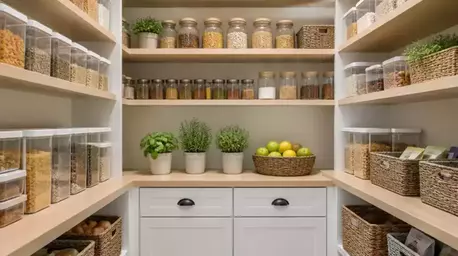
  • Buy in bulk to minimize packaging.
  • Use reusable shopping bags.

Implementing Kitchen Swaps

Effective changes:

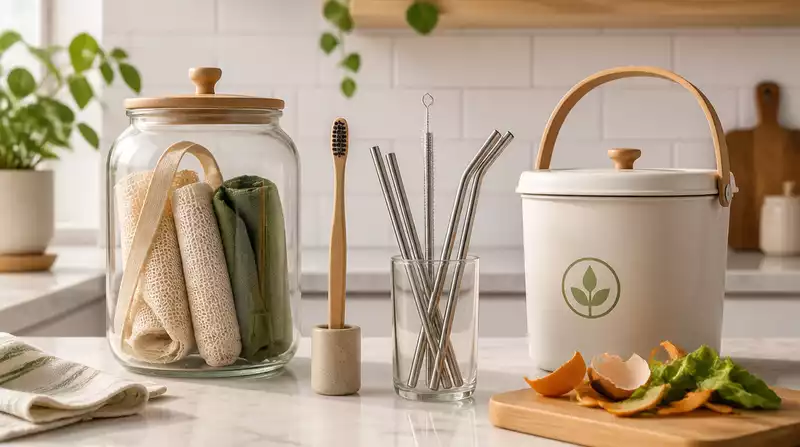
  • Start composting food scraps.
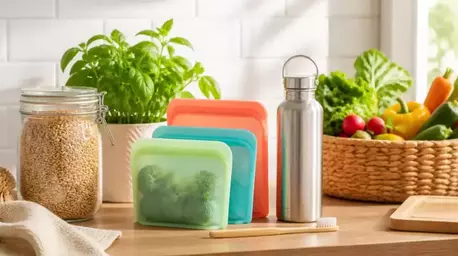
  • Use reusable containers for leftovers.
  • Switch to cloth napkins.

Reducing Bathroom Waste

Eco-friendly alternatives:

  • Opt for shampoo bars.
  • Choose bamboo toothbrushes.
  • Use refillable containers.

Waste Reduction in Laundry and Cleaning

Strategies to consider:

  • Use eco-friendly detergents.
  • Switch to reusable cleaning cloths.
  • Only wash full loads.

Fostering a Reuse and Repair Mindset

Ideas to implement:

  • Fix broken items.
  • Engage in DIY projects.
  • Donate or sell unneeded items.

Practical Strategies to Reduce Household Waste Every Week

Understanding the Importance of Household Waste Reduction

Have you ever thought about the impact of the trash we generate each week? Household waste makes up a significant portion of our landfills, which can harm the environment. At Simply Renewed Home, we believe it’s important to adopt sustainable practices that reduce waste and promote a healthier planet for future generations.

By taking small steps to cut down on waste, we can decrease our carbon footprint and contribute to a more sustainable lifestyle. Not only does reducing waste help the environment, but it also encourages us to live more simply and mindfully. Each little change we make leads to a big impact! For more ideas on how to manage your household waste effectively, check out these effective home waste recycling tips.

Weekly Action Plan for Cutting Household Waste

Day 1: Conducting a Waste Audit

Start your week with a waste audit! This is a fantastic way to identify how much waste your household produces and where you can improve. Gather your trash bags and sort through the contents, categorizing items into:

  • Recyclables
  • Compostable waste
  • Items for donation
  • Trash

By analyzing your current waste output, you'll spot key areas for improvement. It’s eye-opening to see how much we can reduce just by making a few changes in our daily habits!

Day 2: Smart Shopping and Meal Planning

On day two, it's time to rethink your shopping habits! Meal planning not only saves you time but also helps reduce food waste. Here are some tips to help you shop smart:

  • Plan meals for the week to avoid buying unnecessary items.
  • Buy in bulk to minimize packaging waste.
  • Use reusable shopping bags to reduce plastic consumption.

When you plan your meals, you’ll not only save money but also enjoy fresher and healthier options at home!

Day 3: Implementing Kitchen Swaps

Day three is all about making swaps in the kitchen! Here are some effective changes you can implement:

  • Start composting food scraps instead of sending them to the landfill.
  • Use reusable containers for leftovers instead of plastic wrap.
  • Switch to cloth napkins instead of paper ones.

These simple swaps can significantly cut down on waste while keeping your kitchen organized and eco-friendly. For more ideas on decluttering your kitchen, explore how to keep your kitchen clutter-free.

Day 4: Reducing Bathroom Waste

Next, let’s tackle bathroom waste! Many common bathroom items come with excessive packaging. Consider these eco-friendly alternatives:

  • Opt for shampoo bars instead of bottled shampoo.
  • Choose bamboo toothbrushes over plastic ones.
  • Use refillable containers for your favorite products.

With these changes, you’ll create a greener bathroom that still meets all your personal care needs!

Day 5: Waste Reduction in Laundry and Cleaning

On day five, focus on reducing waste in your laundry and cleaning routines. Here are a few strategies to consider:

  • Use eco-friendly laundry detergents and dryer balls.
  • Switch to reusable cleaning cloths instead of disposable ones.
  • Only wash full loads to save water and energy.

Implementing these changes not only helps the planet but can save you money in the long run!

Day 6: Fostering a Reuse and Repair Mindset

On day six, let’s get creative! Embrace a reuse and repair mindset by considering these ideas:

  • Fix broken items instead of tossing them out.
  • Get creative with DIY projects for upcycling old furniture.
  • Donate or sell items you no longer need.

By finding new purposes for old items, you'll contribute to a more sustainable lifestyle while decluttering your home!

Day 7: Reviewing and Measuring Impact

Finally, on day seven, it’s time to assess your progress! Keep track of the waste you’ve reduced and celebrate your successes. Try creating a simple chart to monitor:

  • Total waste generated
  • Recyclables collected
  • Compost produced

Reflecting on your journey not only provides motivation but also inspires others to join your efforts toward a clutter-free and sustainable home. At Simply Renewed Home, we’re excited to support you every step of the way!

Room-by-Room Breakdown of Waste Reduction Techniques

Now that we've laid out a week-long action plan, let’s look at specific strategies for each room in your home. Implementing targeted techniques can lead to even greater waste reduction:

  • Kitchen: Avoid single-use plastics and prioritize bulk purchases.
  • Bathroom: Choose products with minimal packaging and consider DIY alternatives.
  • Office: Go digital to cut back on paper waste.

By customizing your approach room by room, you’ll make significant strides towards a sustainable lifestyle!

Exploring Zero Waste and Sustainable Living

Incorporating zero waste principles into your life is a powerful way to enhance sustainability. By focusing on:

  • Refusing unnecessary items
  • Reducing what you use
  • Reusing whenever possible
  • Recycling responsibly
  • Composting organic waste

You’ll embrace a lifestyle that prioritizes our planet’s health and your well-being.

Engaging with Community Resources and Programs

Don’t forget that you’re not alone in this journey! Connect with local resources and programs that support waste reduction efforts. Explore options such as:

  • Community recycling programs
  • Donation initiatives for clothing and household items
  • Local composting resources

By participating in community efforts, you’ll expand your impact while inspiring others to take action! For more insights into decluttering, consider the benefits of DIY decluttering vs. expert help.

Understanding Food Waste and its Impacts

Lastly, let’s dive into food waste. It’s a significant issue that many households face. To combat food waste, consider these methods:

  • Plan meals to use up ingredients effectively.
  • Store food properly to extend its shelf life.
  • Learn how to compost food scraps to enrich your garden.

Taking these steps will not only reduce waste but also help nourish the earth and create a more sustainable lifestyle!

Frequently Asked Questions About Household Waste Reduction

A waste audit involves sorting through your household trash to identify what types of waste you generate (recyclables, compostables, donations, actual trash). It’s important because it helps you understand your waste production patterns and pinpoint areas where you can improve and reduce waste effectively.

Meal planning helps reduce food waste by ensuring you only buy the ingredients you need for the week. This prevents unnecessary purchases that might go bad, leading to less food ending up in the trash. It also helps you use ingredients efficiently and save money.

Simple kitchen swaps include starting a compost bin for food scraps, using reusable containers for leftovers instead of plastic wrap, and switching to cloth napkins instead of paper ones. These changes significantly reduce waste and promote an eco-friendly kitchen.

To reduce bathroom waste, opt for eco-friendly alternatives like shampoo bars instead of bottled shampoo, bamboo toothbrushes over plastic ones, and refillable containers for your personal care products. These choices help minimize unnecessary packaging waste.

Fostering a reuse and repair mindset means actively choosing to fix broken items rather than throwing them away, engaging in DIY projects to upcycle old furniture or materials, and donating or selling items you no longer need. This approach extends the life of household items and reduces overall waste.

Summarizing Your Waste Reduction Journey

As we come to the end of our week-long waste reduction challenge, it's time to reflect on our progress! Taking a moment to assess how you've implemented these new eco-friendly habits can be incredibly rewarding. I encourage you to think about which changes felt most impactful in your daily routine, whether it was reducing plastic use or starting that compost bin.

Make a list of your successes and areas where you can improve. This reflection not only helps reinforce positive habits but also keeps you motivated on your journey toward a clutter-free home at Simply Renewed Home!

Reflecting on Weekly Progress and Eco-Friendly Habits

To truly embrace sustainability, consider the following questions as you assess your weekly habits:

  • What new habits did you adopt this week?
  • How much waste did you manage to reduce?
  • Which strategies made the biggest difference in your household?

By regularly checking in with yourself, you can identify long-term changes that will help you maintain a clutter-free and sustainable lifestyle. Remember, it's all about progress, not perfection!

Next Steps Towards a Sustainable Lifestyle

Once you've reflected on your journey, you're ready to take the next steps in your sustainable living adventure. Here are some ideas to help you integrate waste reduction practices into your daily life:

  • Set monthly goals for reducing waste, such as going plastic-free for a month!
  • Join or start a local community recycling initiative.
  • Continue to educate yourself and your family on eco-friendly practices.

At Simply Renewed Home, we believe that every little effort counts towards making a big difference! By staying committed, you can create a positive impact on both your living space and the environment.

Downloadable Checklist for Weekly Waste Reduction

To keep you organized and motivated, I’ve created a handy downloadable checklist that summarizes all the actions you can take for waste reduction. Here’s what you’ll find on the checklist:

  • Daily tasks to minimize waste, including shopping and cooking tips.
  • Helpful reminders for reusing and recycling.
  • Space to track your progress and celebrate your successes!

Having a visual guide can truly help you stay on track and make the journey enjoyable. You can access this checklist by visiting Simply Renewed Home and signing up for our newsletter!

Engaging with the Community for Support

Sharing your waste reduction experiences can strengthen your commitment and inspire others as well! Engage with like-minded individuals in your community or online forums where you can:

  • Share your successes and challenges.
  • Exchange tips and ideas for waste reduction.
  • Participate in local eco-friendly events or workshops.

At Simply Renewed Home, I love seeing our community come together to support one another in creating serene, clutter-free living spaces. Remember, you’re not alone on this journey!

Embracing Upcycling and DIY Projects

One of the most fun and creative ways to reduce waste is through upcycling and DIY projects! Here are some ideas to inspire your next creative venture:

  • Transform glass jars into storage containers or decorative vases.
  • Convert old t-shirts into reusable shopping bags.
  • Make a compost bin from wooden pallets.

These projects not only help in reducing waste but also allow you to add a personal touch to your home decor. By embracing upcycling, you foster a deeper connection with your belongings and contribute to a more sustainable lifestyle. For more insights on decluttering and organizing, consider these effective ways to declutter home.

Recap of Key Points

Here is a quick recap of the important points discussed in the article:

  • Conduct a waste audit to identify areas for improvement in your household waste management.
  • Implement smart shopping and meal planning to reduce food waste and unnecessary purchases.
  • Make kitchen swaps, such as composting and using reusable containers, to cut down on waste.
  • Reduce bathroom waste by opting for minimal packaging products and eco-friendly alternatives.
  • Focus on laundry and cleaning by using eco-friendly products and reducing water usage.
  • Adopt a reuse and repair mindset to extend the life of items and minimize waste.
  • Regularly review and measure your waste reduction progress to stay motivated.
  • Engage with community resources and programs to enhance your waste reduction efforts.
  • Embrace upcycling and DIY projects to creatively reduce waste in your home.
About !author

Clara Whitstone

Clara Whitstone is a dedicated home organization expert and passionate advocate for sustainable living. With years of experience in creating calm and clutter-free environments, Clara shares practical tips and insightful guidance to help individuals transform their homes into serene spaces. Her mission is to empower others to embrace simplicity and sustainability in their everyday lives, guiding them toward a truly Simply Renewed Home.

Popular Posts

Money-Saving Reusable Household Swaps Money-Saving Reusable Household Swaps Did you know that single-use plastics can take hundreds of years to decompose? By switching to reusa
Speedy Home Cleaning Tips Speedy Home Cleaning Tips Imagine transforming your chaotic living space into a serene sanctuary in just a fraction of the tim
Effective Pantry Organization Tips Effective Pantry Organization Tips Ever felt overwhelmed by a disorganized pantry? You’re not alone! A staggering number of people st
Composting Food Scraps Made Simple Composting Food Scraps Made Simple What if you could turn your kitchen scraps into nutrient-rich soil while helping the planet? Compost