Safe Home Hazardous Waste Disposal
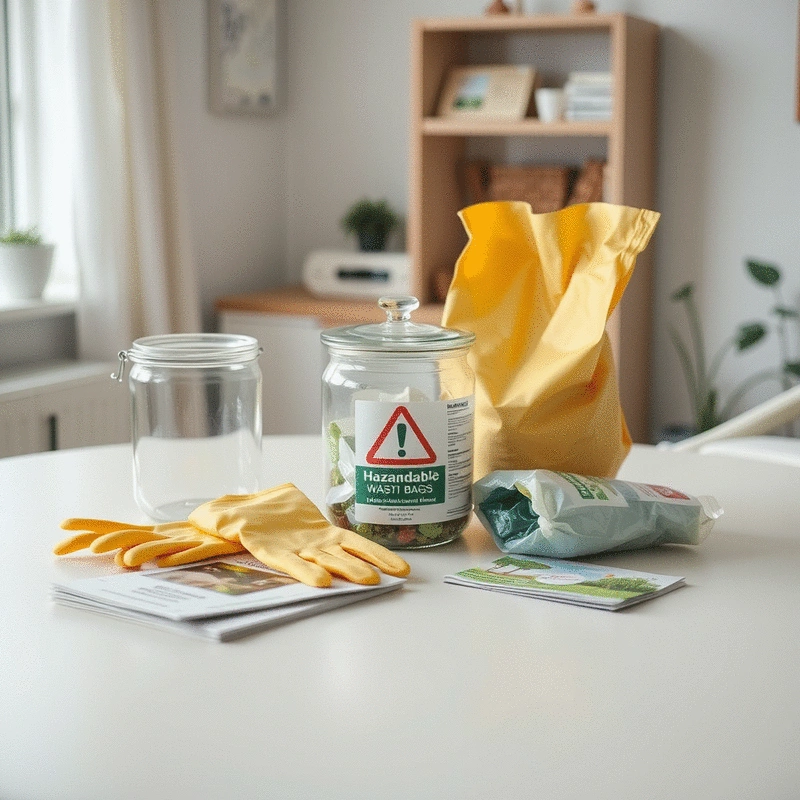
Did you know that over 1.5 million tons of household hazardous waste are generated every year? Understanding how to manage these materials can significantly improve your home’s safety and environmental impact.
What You Will Learn
- Household hazardous waste (HHW) includes common items like cleaners, paints, and batteries that can pose risks to health and the environment.
- Proper disposal of HHW protects the environment, safeguards family health, and promotes community well-being.
- Identifying hazardous materials in your home is key; look for products labeled as corrosive, toxic, flammable, or reactive.
- Safe storage practices, such as keeping hazardous materials in original containers and securely sealing them, help prevent accidents.
- When transporting HHW, use leak-proof containers and wear personal protective equipment (PPE) for safety.
- Finding local disposal facilities and participating in community collection events can simplify the responsible disposal of HHW.
- In case of a hazardous spill, knowing emergency response procedures can protect your family and minimize risks.
Understanding Household Hazardous Waste and Its Risks
Key statistics about Household Hazardous Waste (HHW) and its importance in maintaining a safe home environment.
Annual HHW Generation
More than 1.5 million tons of HHW are generated each year.
Common HHW Categories
- Corrosive
- Flammable
- Toxic
- Reactive
Health Risks
Improper disposal can lead to serious health issues from exposure to hazardous chemicals.
Environmental Impact
Contamination of soil and water systems from HHW can lead to significant environmental hazards.
Understanding Household Hazardous Waste and Its Risks
Household hazardous waste (HHW) is a term that might sound intimidating, but it’s important for everyone to understand what it involves. Simply put, HHW includes any household products that contain hazardous ingredients and can pose a risk to human health or the environment. These items often include common cleaners, paints, pesticides, and batteries. As a passionate advocate for sustainable living through Simply Renewed Home, I believe that knowing what HHW is can empower you to create a safer and healthier home.
Defining Household Hazardous Waste (HHW)
So, what exactly qualifies as household hazardous waste? Typically, it includes products that are:
- Corrosive: Materials that can damage living tissues or other materials.
- Flammable: Items that can easily catch fire.
- Toxic: Substances that can cause serious health effects or death.
- Reactive: Chemicals that can produce dangerous reactions when mixed with other substances.
Being aware of these categories helps you identify potential hazards lurking in your home. Each year, more than 1.5 million tons of HHW are generated, making it vital to manage these materials responsibly.
Why Safe Disposal of HHW Is Essential
Proper disposal of HHW is crucial for several reasons. First, it helps protect our environment. When hazardous waste enters landfills or water systems, it can contaminate soil and drinking water. Second, it safeguards your family's health. Unintentional exposure to hazardous chemicals can lead to serious health issues. Lastly, disposing of HHW responsibly supports community well-being by reducing environmental hazards.
To illustrate this, consider the difference you can make in your neighborhood by properly disposing of just a few items. Imagine the peace of mind you'll feel knowing that you’re doing your part to keep your family and the community safe! For more tips on reducing your environmental footprint, check out our guide on effective home waste recycling tips.
Common Household Chemicals and Their Risks
Many households unknowingly harbor hazardous materials. Here are some common household chemicals and their associated risks:
- Pesticides: Can be harmful to humans and pets if ingested or inhaled.
- Paints: Often contain toxic solvents that can lead to respiratory issues.
- Cleaning Products: Many contain corrosive substances that can cause skin burns.
- Batteries: Contain heavy metals that can leak into the environment, posing contamination risks.
Taking the time to go through your cleaning supplies and other products can help you pinpoint which items need special attention. It's a small step that can lead to a big difference in your home’s safety.
Identifying Toxic Substances in Your Home
Understanding how to identify toxic substances is key to maintaining a safe living space. Look for warning labels on products—these can reveal a lot about their potential hazards. Phrases like “toxic,” “flammable,” and “corrosive” are indicators you should take seriously.
Additionally, if you notice any unusual odors or skin irritations after using a product, it may be time to re-evaluate that item. Keeping a watchful eye on your household products can help you avoid health risks and keep your home a serene sanctuary, aligned with our mission at Simply Renewed Home.
Pro Tip
Did you know? Regularly checking your household supplies can significantly reduce the risks associated with hazardous waste. Set a reminder every few months to assess your cleaning products, batteries, and other chemicals. This not only helps identify potentially dangerous items but also keeps your living space safer and more organized!
Step-by-Step Guide on How to Dispose of Hazardous Waste Safely at Home
Disposing of hazardous waste correctly is crucial to keeping our homes and community safe. At Simply Renewed Home, we believe in empowering individuals to take responsible actions when it comes to handling household hazardous waste (HHW). This guide will walk you through each step to ensure that you’re managing these materials safely and effectively!
Let’s dive into the process and discover how you can take simple yet significant steps to handle HHW in your home.
Step 1: Identifying and Inventorying Household Hazardous Waste
The first step in safe disposal is understanding what constitutes hazardous waste. It's essential to conduct a thorough inventory of items in your home that may be harmful. Take a look around and check for:
- Old cleaning products (bleach, ammonia)
- Batteries (alkaline, lithium)
- Oils (motor oil, cooking oil)
- Pesticides and herbicides
- Paint and solvents
Once you've identified these items, it’s a great idea to note their quantities and conditions. This will help you figure out what needs immediate attention and what can be safely stored until disposal.
Common Types of HHW to Look For: Cleaners, Batteries, Oils, and More
Identifying hazardous waste can be straightforward if you know what to look for. Here are some common examples:
- Household cleaners and disinfectants
- Automotive fluids
- Paint thinners and strippers
- Expired medications
Make a checklist of these items as you go through your home to ensure nothing is overlooked!
Visual Identification: Understanding Label Symbols
Learning to read labels can provide essential information about the risks associated with various products. Keep an eye out for symbols like:
- Flammable: A flame icon indicates that the product can easily catch fire.
- Toxic: A skull and crossbones symbol shows that the substance can cause harm or even death.
- Corrosive: This symbol indicates that the product can damage skin or materials.
By understanding these labels, you can make informed decisions about how to handle and store these substances safely.
Step 2: Safe Storage Practices for HHW
Once you've identified HHW, proper storage is vital to prevent accidents and injuries. Keeping these materials organized can reduce risks significantly.
Start by ensuring that all hazardous waste is stored separately and securely. For more tips on maintaining an organized home, explore our article on effective ways to declutter your home.
Keeping Hazardous Waste in Original Containers
Whenever possible, store hazardous waste in its original container. This way, you retain important labeling information and instructions for disposal. If the container is damaged, transfer the contents to a suitable container.
How to Seal Containers Tightly and Avoid Mixing Chemicals
It’s essential to seal containers tightly to prevent leaks. Additionally, never mix different types of chemicals, as this can lead to dangerous reactions. Always follow these guidelines:
- Make sure lids are secure and in good condition.
- Avoid storing different products in the same container.
- Label any transferred materials clearly with contents and hazards.
Utilizing Proper Storage Containers for HHW
Invest in sturdy, leak-proof containers specifically designed for hazardous materials. Clear plastic bins with tight-fitting lids can be a great option. You can also use:
- Metal cans for flammable liquids
- Pest control-specific storage boxes
- Clearly labeled bins for batteries and electronics
Keeping these materials organized not only ensures safety but also makes them easier to transport when it’s time for disposal!
Step 3: Preparing for Safe Transport of Hazardous Waste
When transporting HHW for disposal, safety is paramount. Here's how you can prepare:
Leak-Proof Transport Preparations
Before moving any hazardous materials, check for leaks. Use a secondary container, such as a plastic bin, to contain any potential spills. Wrap containers that may leak in plastic bags to add an extra layer of protection.
Best Practices for Handling and Moving HHW
Here are some tips to handle HHW safely:
- Carry smaller containers instead of larger ones to maintain control.
- Avoid placing hazardous materials in the trunk of your car if possible.
- Drive directly to the disposal site without making unnecessary stops.
Using Personal Protective Equipment (PPE)
When handling hazardous waste, it’s wise to wear protective gear. Consider using:
- Gloves to protect your hands
- Safety goggles to shield your eyes
- Face masks if you’re handling vapors or powders
By prioritizing personal safety, you can ensure that your disposal process is smooth and secure. For more guidance on choosing the right tools for a safer home, see our tips on DIY decluttering vs. expert help.
Step 4: Finding Disposal Facilities and Collection Events
Knowing where to dispose of hazardous waste is crucial for responsible management. Here are some strategies:
How to Locate Local HHW Disposal Facilities
To find disposal facilities in your area, you can:
- Visit your local government website for information on hazardous waste disposal.
- Contact your waste management authority for guidance.
- Use online tools and resources that map out disposal sites.
Don’t hesitate to reach out for help if you’re unsure where to go!
Understanding the Schedule for Hazardous Waste Collection Events
Many communities host collection events throughout the year. Keep an eye on local announcements for:
- Dates of collection events
- Types of waste accepted
- Any required registration or identification
By participating in these events, you can safely dispose of HHW while contributing to community efforts!
Engaging with Community Hazardous Waste Programs
Many towns and cities offer programs to assist residents with hazardous waste disposal. Get involved by:
- Joining community workshops on safe waste management.
- Participating in outreach programs that promote recycling and sustainability.
- Following local initiatives aimed at reducing hazardous waste.
Engaging with your community not only helps you but also supports a larger movement towards safer waste management!
Step 5: Emergency Spill Response and Safety Precautions
Even with caution, spills can happen. Knowing how to respond is key to safety.
What to Do in Case of a Hazardous Spill at Home
If a spill occurs, stay calm and follow these steps:
- Evacuate the area and keep others away.
- Wear protective gear if you need to address the spill.
- Contain the spill using absorbent materials.
Always prioritize safety first! If the situation seems unmanageable, don’t hesitate to call emergency services.
Safety Tips for Protecting Children and Pets
To keep your loved ones safe, it’s important to:
- Store hazardous materials out of reach of children and pets.
- Educate family members about the dangers of HHW.
- Keep emergency contact numbers visible in case of an incident.
Creating a safe environment starts with awareness and education within your home.
Emergency Response Procedures for Hazardous Substances
Establish clear procedures for handling hazardous materials emergencies:
- Have a first-aid kit readily available.
- Ensure everyone knows the location of emergency shut-off valves.
- Review safety procedures regularly as a family.
By preparing in advance, you can manage potential hazards effectively and maintain peace of mind in your home.
Frequently Asked Questions (FAQs)
- What is household hazardous waste (HHW)?
HHW refers to household products that contain hazardous ingredients and can pose a risk to human health or the environment. These include items that are corrosive, flammable, toxic, or reactive, such as cleaners, paints, pesticides, and batteries. - Why is proper disposal of HHW important?
Proper disposal protects the environment by preventing contamination of soil and water, safeguards family health by avoiding exposure to harmful chemicals, and supports community well-being by reducing overall environmental hazards. - How can I identify hazardous materials in my home?
Look for warning labels on products with terms like "toxic," "flammable," "corrosive," or "reactive." Also, be mindful of unusual odors or skin irritations after using a product, which can indicate potential hazards. - What are best practices for storing HHW?
Store HHW in its original, tightly sealed container to retain labeling information. Avoid mixing different chemicals, and use sturdy, leak-proof containers specifically designed for hazardous materials, keeping them organized and out of reach of children and pets. - Where can I dispose of HHW?
You can find local disposal facilities by checking your local government's website or contacting your waste management authority. Many communities also host hazardous waste collection events throughout the year. - What should I do in case of a hazardous spill?
Stay calm, evacuate the area, and keep others away. If safe to do so, wear protective gear and contain the spill using absorbent materials. If the situation is unmanageable, call emergency services immediately.
Recap of Key Points
Here is a quick recap of the important points discussed in the article:
- Understanding HHW: Household hazardous waste includes products that are corrosive, flammable, toxic, or reactive, presenting risks to health and the environment.
- Safe Disposal: Proper disposal of HHW protects the environment, public health, and community well-being by preventing contamination.
- Identification: Regularly check household items like cleaners, paints, and batteries for hazardous components, looking for warning labels and unusual odors.
- Storage Practices: Store HHW in original, tightly sealed containers, avoiding mixing different chemicals, and using appropriate storage solutions.
- Transport Safely: Use leak-proof containers, wear personal protective equipment (PPE), and drive directly to disposal facilities without unnecessary stops.
- Community Engagement: Participate in local hazardous waste collection events and community programs to responsibly manage HHW disposal.
- Emergency Preparedness: Have clear procedures in place for spills, including protective measures for children and pets, and ensure everyone knows emergency contacts.

Clara Whitstone
Clara Whitstone is a dedicated home organization expert and passionate advocate for sustainable living. With years of experience in creating calm and clutter-free environments, Clara shares practical tips and insightful guidance to help individuals transform their homes into serene spaces. Her mission is to empower others to embrace simplicity and sustainability in their everyday lives, guiding them toward a truly Simply Renewed Home.
Popular Posts
Money-Saving Reusable Household Swaps
![Money-Saving Reusable Household Swaps]() Did you know that single-use plastics can take hundreds of years to decompose? By switching to reusa
Did you know that single-use plastics can take hundreds of years to decompose? By switching to reusa
 Did you know that single-use plastics can take hundreds of years to decompose? By switching to reusa
Speedy Home Cleaning Tips
![Speedy Home Cleaning Tips]() Imagine transforming your chaotic living space into a serene sanctuary in just a fraction of the tim
Imagine transforming your chaotic living space into a serene sanctuary in just a fraction of the tim
 Imagine transforming your chaotic living space into a serene sanctuary in just a fraction of the tim
Effective Pantry Organization Tips
![Effective Pantry Organization Tips]() Ever felt overwhelmed by a disorganized pantry? You’re not alone! A staggering number of people st
Ever felt overwhelmed by a disorganized pantry? You’re not alone! A staggering number of people st
 Ever felt overwhelmed by a disorganized pantry? You’re not alone! A staggering number of people st
Composting Food Scraps Made Simple
![Composting Food Scraps Made Simple]() What if you could turn your kitchen scraps into nutrient-rich soil while helping the planet? Compost
What if you could turn your kitchen scraps into nutrient-rich soil while helping the planet? Compost
 What if you could turn your kitchen scraps into nutrient-rich soil while helping the planet? Compost
