Recycling Tips for Homeowners
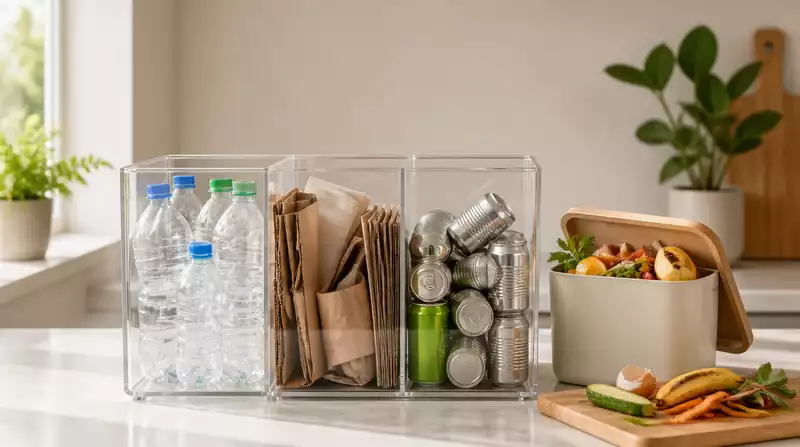
Did you know that proper recycling can significantly reduce pollution and conserve natural resources? In today's world, every small action—like recycling—can lead to big environmental benefits. This guide will equip you with the necessary insights to enhance your recycling practices at home and positively impact your community.
What You Will Learn
- Importance of Recycling: Recycling is essential for conserving natural resources, reducing pollution, and supporting local economies.
- Debunking Myths: Understanding common myths about recycling, such as the misconception that all plastics are recyclable, can help improve recycling practices.
- Effective Recycling Practices: Always ensure items are empty, clean, and dry, and know your local recycling rules to maximize effectiveness.
- Creating a Home Recycling Station: Set up a dedicated, organized recycling area with labeled bins to encourage participation from everyone in your household.
- Reducing Contamination: Educating your family about contamination is crucial for maintaining high-quality recyclables and avoiding rejected loads.
- Financial Benefits: Proper recycling practices can reduce waste disposal costs and lead to financial savings while also benefiting the environment.
- Staying Informed: Regularly check local recycling guidelines, as these can change, to ensure you're recycling effectively and supporting sustainability efforts.
Key Benefits of Recycling for Homeowners
Understanding the essential benefits of recycling can inspire more individuals to participate actively. Below are the key advantages outlined for clarity.
Conserves Resources
Recycling helps save valuable natural resources, including timber, water, and minerals.
Reduces Pollution
By recycling materials, we help decrease the pollution generated from new product manufacturing.
Supports Local Economy
Recycling programs create jobs in your community and can lead to economic growth.
Promotes Community Responsibility
Engaging in recycling fosters a sense of community pride and responsibility.
Understanding Recycling for Homeowners: The Essential Guide
Recycling is more than just a trend; it’s an essential practice for any homeowner who cares about their community and the planet. When we recycle, we actively contribute to reducing waste and conserving natural resources. This not only helps to keep our environment clean but also fosters a sense of responsibility in our communities. Think about it: every bottle you recycle could save energy and cut down on greenhouse gas emissions. It's a small step that leads to significant positive outcomes! For more detailed advice, you can explore DIY decluttering vs. expert help.
At Simply Renewed Home, I believe that understanding the importance of recycling can inspire more people to take action. Whether you’re a seasoned recycler or just starting your journey, knowing the ins and outs of recycling can make a big difference. Remember, every effort counts, and together we can create a healthier, more sustainable world!
Why Recycling Matters in Your Community
Recycling plays a vital role in promoting environmental sustainability and enhancing community health. It reduces the amount of waste sent to landfills, which can take decades or even centuries to decompose. By recycling, we not only save space in these landfills but also help to conserve energy and reduce pollution.
Here are several critical reasons why recycling is crucial for your community:
- Conserves Resources: Recycling helps to save valuable natural resources, such as timber, water, and minerals.
- Reduces Pollution: By recycling materials, we help decrease the pollution generated from new products being manufactured.
- Supports Local Economy: Recycling programs create jobs in your community and can lead to economic growth.
- Promotes Community Responsibility: Engaging in recycling fosters a sense of community pride and responsibility.
Common Myths About Recycling at Home
Despite the growing awareness of recycling, there are still several myths that can lead to confusion. It's essential to clear these up to ensure everyone is on the same page when it comes to recycling practices.
Let’s take a look at some common misconceptions:
- Myth 1: All plastics are recyclable. Truth: Only certain types of plastics can be recycled, so it's important to check your local guidelines.
- Myth 2: Recycling is too complicated. Truth: With a little bit of education, recycling can be a straightforward process! For more help, check out these effective home waste recycling tips.
- Myth 3: If it’s dirty, it can still be recycled. Truth: Contaminated items can ruin recycling batches—always ensure items are clean!
- Myth 4: Recycling doesn’t make a difference. Truth: Every small action contributes to larger environmental benefits.
By understanding these myths and educating ourselves, we can become more effective recyclers! At Simply Renewed Home, I encourage everyone to challenge these misconceptions and take informed steps toward sustainable living. Let’s embrace the responsibility of recycling together!
Key Principles of Successful Home Recycling
To recycle effectively at home, it helps to know a few key principles. When we follow the best practices, we can ensure that our efforts are truly making a difference.
Here are some essential recycling do’s for homeowners:
- Do: Always ensure items are empty, clean, and dry before recycling.
- Do: Keep recyclables loose in the bin; avoid using plastic bags.
- Do: Know your local recycling rules and what materials are accepted.
- Do: Educate family members on recycling practices to foster good habits.
By incorporating these principles into your routine, you’ll be well on your way to becoming a recycling pro! As you venture into your recycling journey, remember: every small step contributes to a cleaner and greener planet.
Pro Tip
Did you know? Setting a specific recycling day in your household can significantly improve participation and awareness. Encourage family members to gather recyclables and sort them together. This not only makes recycling a shared responsibility but also fosters discussions about waste reduction and sustainability!
Enhancing Your Home Recycling Station: Tips and Tools
Creating an efficient home recycling station can make a world of difference in how we manage waste. At Simply Renewed Home, I believe that a well-organized recycling system not only supports your recycling efforts but also inspires others in your household to participate. Let's explore how to set up a practical recycling station that fits seamlessly into your daily routine!
First, consider dedicating a specific area in your home for recycling. This could be a corner of your kitchen, garage, or even a closet. Using labeled bins can simplify the process significantly. For example, you could have separate containers for paper, plastic, metal, and glass. This way, everyone in your family knows exactly where to put each item. Keep in mind that making it visually appealing can also motivate everyone to keep it tidy!
- Choose a convenient location for your recycling station.
- Use clearly labeled bins for different materials.
- Establish a regular pickup schedule to empty the bins.
Utilizing Visual Aids for Better Recycling Practices
Visual aids can be incredibly helpful in reinforcing good recycling habits! Think about incorporating decision trees, checklists, or even infographics that illustrate what can and cannot be recycled. You can hang these aids near your recycling station or on your refrigerator for easy reference. As a home organization expert, I find that these tools make it easier for everyone to remember the rules and feel confident in their recycling choices.
Here are some great ideas for visual aids that can enhance your recycling efforts:
- Infographics showing accepted recyclable materials.
- Checklists to remind family members of recycling practices.
- Color-coded guides to distinguish various materials.
Maximizing Your Recycling Impact: Long-term Strategies
Reducing Contamination and Improving Recycling Quality
One of the most significant challenges in recycling is contamination. This happens when non-recyclable items end up in your recycling bin, leading to entire loads being rejected! To tackle this, it's crucial to educate your family about contamination. Make it a fun activity to spot common mistakes together and discuss why they matter. Remember, the cleaner your recyclables, the better your impact on the environment! You can find more strategies for a sustainable home by embracing eco-friendly practices.
Consider these strategies to minimize contamination:
- Ensure all containers are empty, clean, and dry before recycling.
- Keep recyclables loose in the bin—no plastic bags!
- Regularly review and update your recycling guidelines.
The Financial and Environmental Benefits of Proper Recycling
Recycling doesn’t just help the environment; it can also save you money! When you recycle properly, you contribute to a more efficient waste management system, which can lower local disposal costs. Plus, by recycling materials like metals and plastics, you’re helping to reduce the need for new raw materials, which can significantly decrease energy consumption and pollution.
Additionally, engaging in community recycling initiatives is a great way to learn even more about the benefits of recycling. Here’s how proper recycling can positively impact both your wallet and the environment:
- Lower waste disposal fees.
- Reduced energy costs through resource conservation.
- Improved community health and reduced landfill waste.
Frequently Asked Questions About Home Recycling
Here are some common questions about recycling at home, addressing key aspects of effective and sustainable practices.
- Q1: Why is recycling important for my home and community?
- A1: Recycling helps conserve natural resources, reduces pollution, supports local economies by creating jobs, and fosters a sense of community responsibility by minimizing waste sent to landfills.
- Q2: What are some common myths about recycling I should be aware of?
- A2: Common myths include the belief that all plastics are recyclable (only certain types are), that recycling is too complicated (it's straightforward with a little education), that dirty items can be recycled (they can contaminate batches), and that individual recycling efforts don't make a difference (every action contributes to larger environmental benefits).
- Q3: What are the key principles for successful home recycling?
- A3: Always ensure items are empty, clean, and dry; keep recyclables loose in the bin (avoid plastic bags); know your local recycling rules; and educate family members on proper practices.
- Q4: How can I set up an efficient home recycling station?
- A4: Dedicate a specific area (e.g., kitchen, garage) for recycling, use clearly labeled bins for different materials (paper, plastic, metal, glass), and establish a regular pickup schedule for emptying bins.
- Q5: How can I reduce contamination in my recycling?
- A5: Ensure all containers are empty, clean, and dry; keep recyclables loose (no plastic bags); and regularly review and update your family's understanding of recycling guidelines to minimize non-recyclable items in the bin.
- Q6: What financial and environmental benefits can I expect from proper recycling?
- A6: Proper recycling can lead to lower waste disposal fees and reduced energy costs through resource conservation. Environmentally, it improves community health, reduces landfill waste, and decreases pollution from new product manufacturing.
- Q7: How can I stay informed about local recycling guidelines?
- A7: Regularly check your local government’s website or contact your waste management facility, as these guidelines can change. Staying informed ensures you recycle effectively and support sustainability efforts.
Final Reminders and Your Call to Action
Commit to Better Recycling Today
Are you ready to elevate your recycling habits? Making small changes today can lead to significant benefits for both your home and community! I encourage you to share your recycling successes with neighbors and friends. You could even organize a community recycling event to raise awareness and motivate others to join the cause. Remember, we all have a role to play in fostering a healthier planet!
As you embark on this journey, keep in mind that Simply Renewed Home is here to support you with practical tips and resources. Let’s work together to create a cleaner, more sustainable environment!
Stay Informed: Regularly Check Local Guidelines
Finally, it’s crucial to stay updated on local recycling regulations. These guidelines can change, and being informed will help you recycle effectively. You can often find this information on your local government’s website or by contacting your waste management facility. For further guidance on maintaining a tidy and responsible home, consider these recycling tips to reduce clutter. Adapting to these changes not only enhances your recycling efforts but also shows your commitment to sustainability.
By making recycling a priority in your home, you’re contributing to a cleaner, greener future. Let's embrace these practices together and inspire others to do the same!
Recap of Key Points
Here is a quick recap of the important points discussed in the article:
- Recycling Importance: Recycling reduces waste, conserves natural resources, and lowers pollution levels, positively impacting community health.
- Common Myths: Understanding myths about recycling, such as which materials are recyclable and the importance of cleanliness, helps improve recycling efforts.
- Effective Practices: Ensure recyclables are empty, clean, and dry; keep them loose in bins; and educate your family on proper recycling habits.
- Organized Recycling Station: Set up a dedicated recycling area at home with labeled bins for different materials to simplify the recycling process.
- Long-term Strategies: Minimize contamination by following recycling guidelines and stay updated with local regulations to enhance recycling efficiency.
- Community Engagement: Share your recycling journey with others and participate in community initiatives to promote awareness and responsibility.

Clara Whitstone
Clara Whitstone is a dedicated home organization expert and passionate advocate for sustainable living. With years of experience in creating calm and clutter-free environments, Clara shares practical tips and insightful guidance to help individuals transform their homes into serene spaces. Her mission is to empower others to embrace simplicity and sustainability in their everyday lives, guiding them toward a truly Simply Renewed Home.
Popular Posts
Money-Saving Reusable Household Swaps
![Money-Saving Reusable Household Swaps]() Did you know that single-use plastics can take hundreds of years to decompose? By switching to reusa
Did you know that single-use plastics can take hundreds of years to decompose? By switching to reusa
 Did you know that single-use plastics can take hundreds of years to decompose? By switching to reusa
Speedy Home Cleaning Tips
![Speedy Home Cleaning Tips]() Imagine transforming your chaotic living space into a serene sanctuary in just a fraction of the tim
Imagine transforming your chaotic living space into a serene sanctuary in just a fraction of the tim
 Imagine transforming your chaotic living space into a serene sanctuary in just a fraction of the tim
Effective Pantry Organization Tips
![Effective Pantry Organization Tips]() Ever felt overwhelmed by a disorganized pantry? You’re not alone! A staggering number of people st
Ever felt overwhelmed by a disorganized pantry? You’re not alone! A staggering number of people st
 Ever felt overwhelmed by a disorganized pantry? You’re not alone! A staggering number of people st
Composting Food Scraps Made Simple
![Composting Food Scraps Made Simple]() What if you could turn your kitchen scraps into nutrient-rich soil while helping the planet? Compost
What if you could turn your kitchen scraps into nutrient-rich soil while helping the planet? Compost
 What if you could turn your kitchen scraps into nutrient-rich soil while helping the planet? Compost
